
News
Content
You finish your workout, walk back to the changing room, and find that the lock on your gym locker is jammed or missing. It happens more often than people admit: the wrong padlock either fails to fit the locker hasp, rusts solid in a humid changing room, or gets cut in seconds because the shackle is too thin. The best padlock for gym locker duty is usually a combination padlock with a hardened shackle, a body width around 1 1/2 to 2 inches, and either a brass or stainless steel body. But the details depend on how often you use the locker, how damp the room is, and how much cut resistance you need. This guide gives you the short answer first, then explains the tolerances, trade-offs, and buying risks that matter.
Gym lockers are attacked in a specific way. Thieves rarely spend time picking a lock; they look for a shackle that can be cut with a small bolt cutter, a combination that can be guessed, or a padlock that hangs loose enough to twist off. At the same time, gym members want fast access without carrying a key during a workout. That combination of risk and convenience pushes most buyers toward combination locks, but not every combination lock is built for the environment.
Humidity is the second factor. Changing rooms and shower areas keep the air moist, and steel shackles will rust without a coating or a corrosion-resistant body material. A padlock that works fine in a warehouse may seize up after a few months near a swimming pool or a busy gym shower. The third factor is fit. Gym locker hasps are not standardized. A lock with a shackle that is too thick will not pass through the hasp, while a shackle that is too thin invites cutting. That means the best padlock is not simply the biggest or the most expensive one; it is the one that matches the hasp and the threat level.
Combination padlocks solve the key-loss problem. You memorize a code, spin the dials, and leave the key at home. For gym lockers, a three-wheel or four-wheel combination lock with a hardened steel shackle is the practical default. Aluminum combination locks are light and inexpensive, and they work well in dry locker rooms. Brass combination locks cost more but resist corrosion and feel more solid in the hand, which matters in a damp changing area. Look for a user-resettable combination so you can change the code after sharing a locker or if you suspect someone has watched you open it.
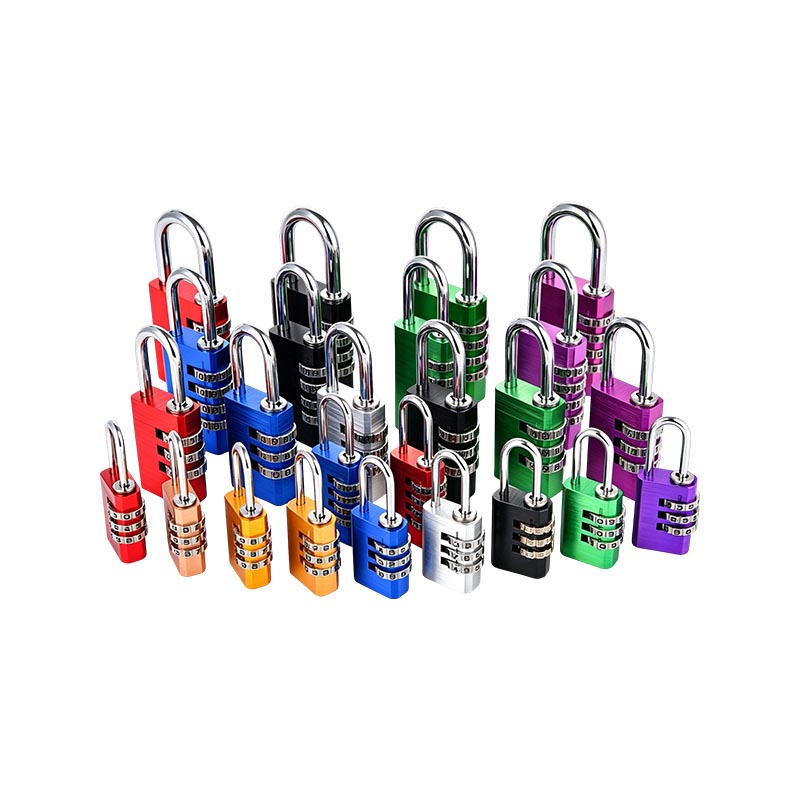 Aluminum Combination Padlock for Lightweight Gym and Locker UseLightweight aluminum-body combination padlock with resettable code and A3 steel shackle, suited to dry locker rooms and basic locker security.View Product →
Aluminum is a good starting point for occasional gym use because it keeps the lock light and easy to carry. If the locker room is humid or the gym is in a busy urban area, consider upgrading to brass or a disc-style body.
A keyed padlock can offer excellent pick resistance, especially if it uses a security pin tumbler or a shrouded shackle. The trade-off is obvious: you must keep track of the key during a workout, and losing it means cutting the lock or calling a locksmith. Keyed locks make sense if you rent the same locker long term, if the gym has a front-desk key service, or if you use the lock for a storage unit rather than a public changing room. For most gym members who move between lockers or travel light, a combination lock is more convenient.
Disc padlocks, also called discus or hockey-puck locks, hide most of the shackle inside the body. A bolt cutter cannot get a clean bite on the shackle, so these locks resist cutting far better than a standard exposed-shackle padlock. They are heavier and usually more expensive, and some gym lockers do not have enough hasp clearance for the thick body. When they fit, disc combination locks are a strong choice for high-traffic gyms, lockers near public entrances, or any situation where a cut lock would mean a stolen phone, wallet, or car keys.
Instead of shopping by brand name or by the number of online reviews, compare these five specifications. They determine whether the lock fits, lasts, and resists a real attack.
| Padlock type | Best for | Cut resistance | Weather resistance | Key required |
|---|---|---|---|---|
| Aluminum combination | General gym use, light lockers | Low to medium | Good with coated shackle | No |
| Brass combination | Damp locker rooms, frequent use | Medium | Excellent | No |
| Stainless steel disc combination | High-security lockers, shared facilities | High | Excellent | No |
| Keyed brass or steel | Single dedicated locker | Medium to high | Good to excellent | Yes |
Use the table as a starting filter, then check the actual shackle diameter and clearance against your locker. A high-security disc lock that does not fit is still a bad purchase.
Fitness equipment and locker manufacturers rarely publish a universal hasp size, but repair technicians see predictable ranges. Most gym lockers accept a shackle diameter between 1/4 inch and 5/16 inch (6 mm to 8 mm). A 3/8 inch (10 mm) shackle is too fat for many stamped-steel hasps. The vertical shackle clearance, also called the inside height, should be at least 3/4 inch (19 mm) so the lock can close around the hasp without binding. Body width matters less for fit, but a wider body can block adjacent lockers or make the lock awkward to spin.
If you are replacing a padlock that keeps jamming, measure the hasp opening with a caliper or a drill bit set. A 5/16 inch drill bit should pass through the hasp with a little play. If it does, choose a hardened steel shackle in that diameter. If it does not, drop to 1/4 inch and accept a lower cut rating, or ask the gym manager whether the hasp can be replaced.
For damp locker rooms, brass combination locks are a practical default. They cost more than aluminum, but they resist corrosion and feel substantial in the hand. A brass combination padlock with a four-wheel mechanism is also harder to shoulder-surf than a three-wheel model because the user can scramble the dials more thoroughly.
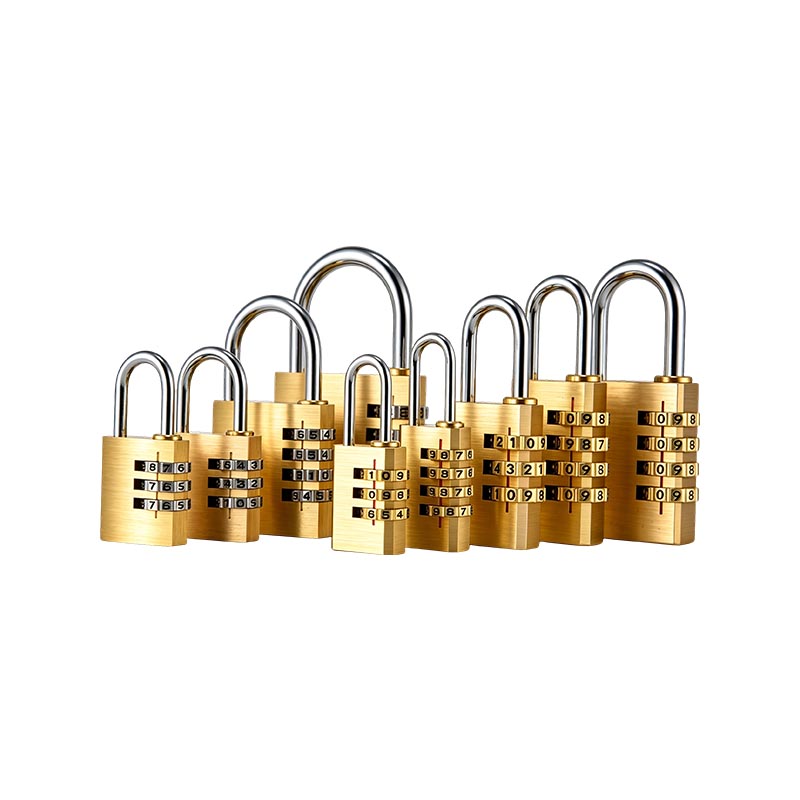 Brass Combination Padlock for Damp Locker Rooms and Corrosion ResistanceCorrosion-resistant brass-body combination padlock with resettable code and A3 steel shackle, a solid choice for damp locker rooms.View Product →
Stainless steel disc combination locks go a step further. The shackle is partly enclosed by the body, so a bolt cutter cannot get a clean bite. That design is heavier and usually more expensive, but it makes sense for gyms in urban areas or for lockers that hold phones, wallets, and keys.
If you manage a gym, the best padlock for gym locker use is not a single retail purchase but a repeatable specification. Standardize on one shackle diameter and one body material so replacement parts and reset instructions stay simple. Buy locks with user-resettable combinations, and keep a master list in a secure place. Avoid mixing keyed and combination locks on the same bank of lockers unless the front desk has a clear key-control process.
Maintenance matters as much as the initial purchase. Lubricate combination dials with a dry graphite powder, not oil, because oil attracts dust and can gum up the wheels. Check shackles for rust every quarter. If a lock starts to feel gritty, remove it from service before it fails closed. For facilities that need custom logos, packaging, or specific shackle lengths, working directly with a padlock factory can reduce cost and lead time. This guide to choosing a combination padlock manufacturer explains the OEM and ODM process, from tooling to test reports.
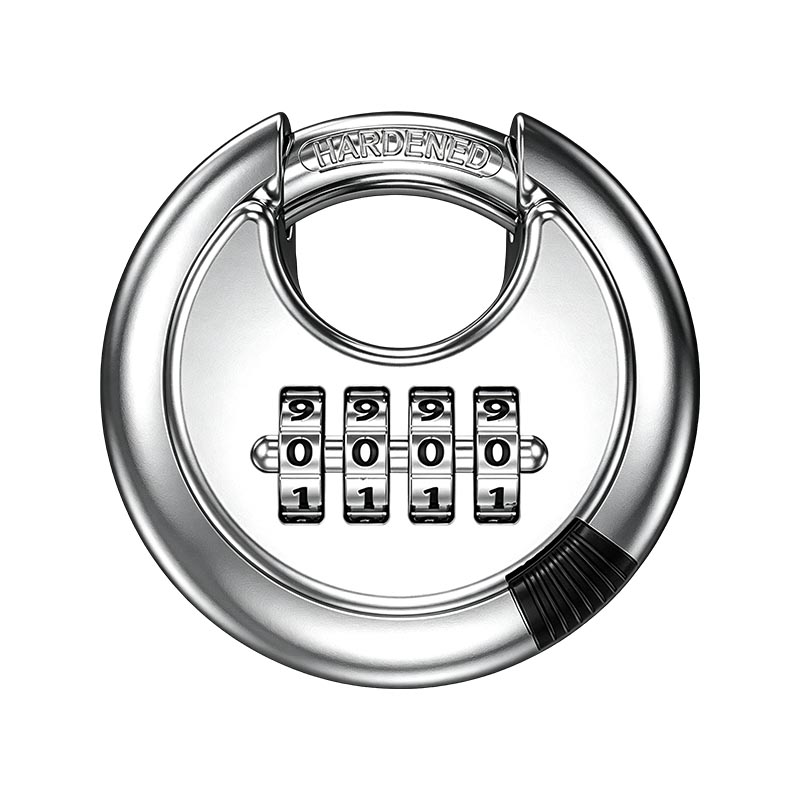 Stainless Steel Disc Combination Padlock for High-Humidity and Higher-Risk LockersDisc-style stainless steel combination padlock with hardened steel shackle and resettable four-digit code, designed for humid outdoor or higher-risk locker environments.View Product →
Stainless steel disc combination padlocks are often specified for higher-risk locker rooms because they combine pick resistance with corrosion resistance. They are not the cheapest option, but they reduce replacement frequency and lockout complaints.
Yes, if they have a hardened shackle at least 1/4 inch thick and a resettable combination. Avoid cheap three-wheel locks with soft shackles. A four-wheel combination or a disc-style lock is a better choice for shared facilities.
Most gym locker hasps accept 1/4 inch (6 mm) or 5/16 inch (8 mm) shackles. Measure the hasp opening before buying. A 3/8 inch shackle is often too thick.
Brass is denser, more corrosion-resistant, and generally more cut-resistant than aluminum. Aluminum is lighter and less expensive. For a humid locker room, brass or stainless steel is worth the extra cost.
You can, but you risk losing the key during a workout. Keyed locks work best for a single dedicated locker. If you use multiple gyms, a combination lock is more convenient.
To sum up, the best padlock for gym locker use is a combination lock with a 5/16 inch hardened shackle, a resettable four-wheel mechanism, and a brass or stainless steel body. Measure the hasp first, then choose the material based on humidity and risk. If you are buying for a facility, standardize the specification and keep maintenance simple. For questions about bulk orders or custom padlock designs, contact us.
Previous Article:
Next Article:
Hot Recommended Products
Through continuous innovation, we build a high‑end R&D team, form a diversified cluster of lock and hardware products, and accelerate the high‑quality industrial development of safety hardware locks.

With thirty years of experience manufacturing EN 12320 certified padlocks, we maintain strict control over raw materials and quality.
Contact Information
+86-579-85665313
+86-579-85665685
market@chinajiuzhou.com
Tony Xu
E-mail:sales2@chinajiuzhou.com
Add
No. 11 Wuhan Road, Shangxi Town, Yiwu City, Zhejiang Province, China 322006
Quick Links
[Mobile]
Keep In Touch

 English
 Français
 Español
 Deutsch
 عربى
عربى
 italiano