
News
Content
The short answer is this: a brass combination padlock is the safest pick for outdoor sheds and cabinets, an aluminum combination padlock is the lightest choice for lockers and luggage, and a disc combination padlock gives the strongest anti-pry protection for gates and tool boxes. The rest of this article explains why, and shows how a China Combination Padlock Manufacturer turns that simple answer into a working supply program for schools, gyms, warehouses, and export buyers.
A combination padlock replaces a metal key with a set of number wheels. There is nothing to lose, nothing to copy, and one code can be shared safely across a whole team. Because the internal parts are simple, the lock body can be produced in several materials without changing how the mechanism works, which is why buyers now see combination padlocks made from brass, aluminum, zinc alloy, and stainless steel on the same shelf.
The direct answer: measure the shackle opening first, then decide the wheel count, then match the body material to the environment. Skipping any one of these three steps is the most common reason a bulk order does not fit the intended hasp or does not hold up outdoors.
Check the diameter and the clear height of the hasp, locker latch, or chain link the lock must pass through. A shackle that is too short will not close, and a shackle that is too long leaves extra room for a pry bar or bolt cutter to get leverage. Standard body widths on a Padlock Combination Lock range from around 20 mm for small bags up to 50 mm or more for gates and sheds.
Each extra wheel multiplies the number of possible codes by ten, and that number decides how long a brute-force guess would take.
A 4-wheel lock is the usual choice for gym lockers, school storage, and general warehouse racks, because it balances speed of use against guessing time. A 3-wheel lock is common on low-value items such as travel bags, while a 5-wheel lock suits cages, server racks, and higher-security storage.
Dry indoor rooms are fine for aluminum or zinc alloy bodies. Anything exposed to rain, coastal air, or washdown cleaning should move to brass or stainless steel. A Custom Combination Padlock Manufacturer can also adjust shackle length, body color, and wheel count together for a bulk order, so a single specification sheet can cover several locker sizes at once.
A complete spec sheet for a bulk order usually lists body material, body width, shackle diameter, shackle height, wheel count, finish color, and packaging type. Buyers who compare quotes from more than one factory should line these fields up side by side, since two locks with the same photo can still differ in shackle hardness or wheel material, and that difference only shows up after months of field use. Asking for a sample batch before a full container order is a normal step, and a factory-based supplier should be able to ship samples within a few days rather than weeks.
The direct answer: stainless steel wins in wet, humid, or salt-air locations, while brass is the more balanced choice for general outdoor storage where the air is not constantly damp. Both outperform aluminum and zinc alloy once a lock is left outside all year.
Brass is naturally resistant to rust because it does not contain iron, and its density gives the lock body a solid, heavy feel that resists impact. Stainless steel goes a step further on corrosion resistance, which is why it is the standard recommendation for boat yards, pool equipment rooms, fish markets, and any site near the sea.
| Property | Brass Combination Padlock | Stainless Steel Disc Padlock |
| Rust resistance | High | Very high |
| Typical weight | Heavy | Medium to heavy |
| Best setting | Sheds, cabinets, general outdoor storage | Coastal sites, wash-down areas, wet climates |
| Shackle protection | Hardened steel shackle option | Shielded disc body limits pry access |
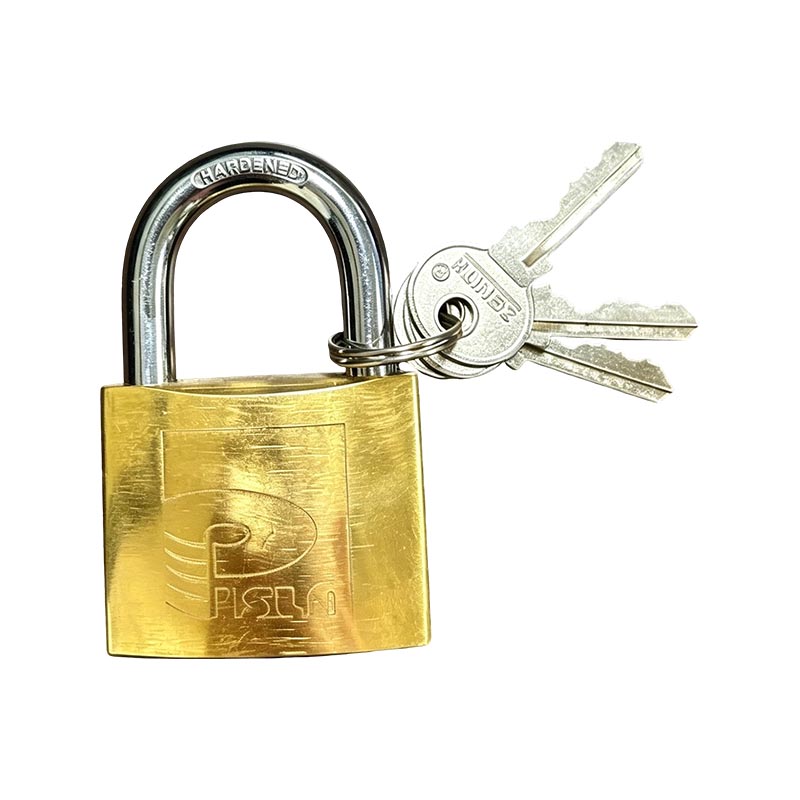
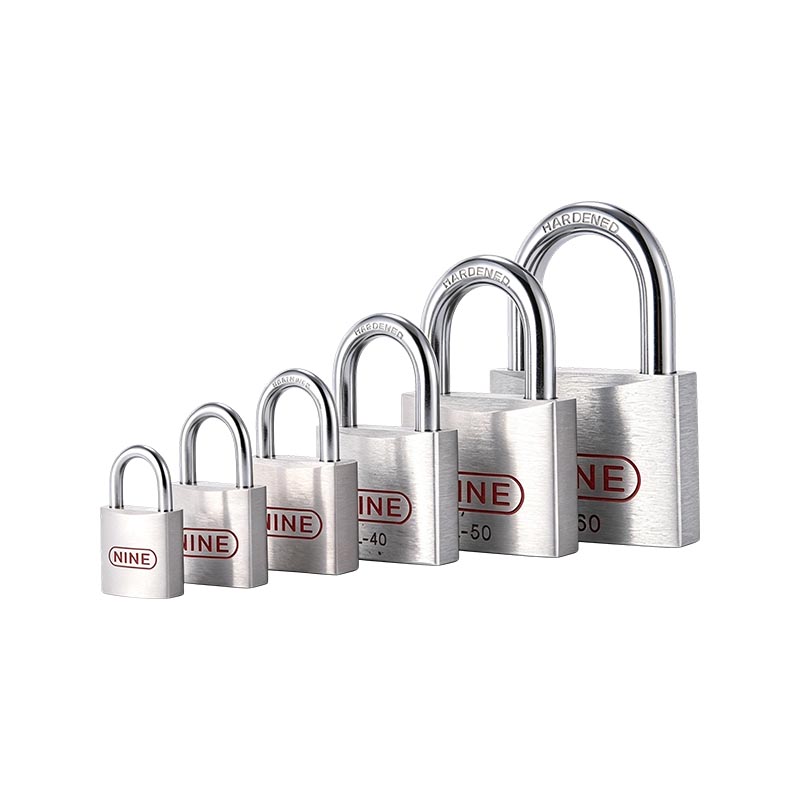
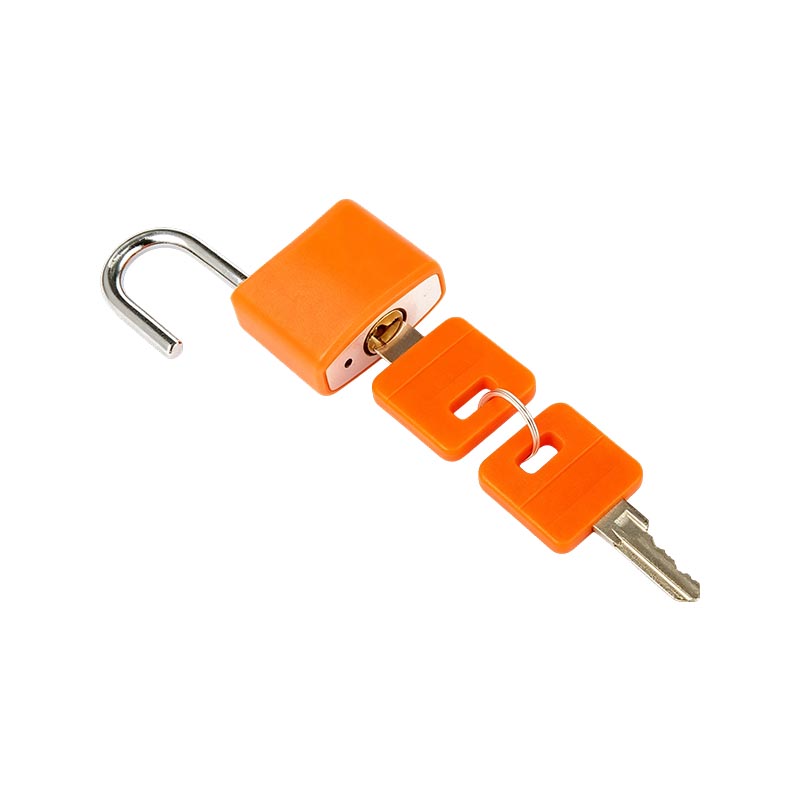
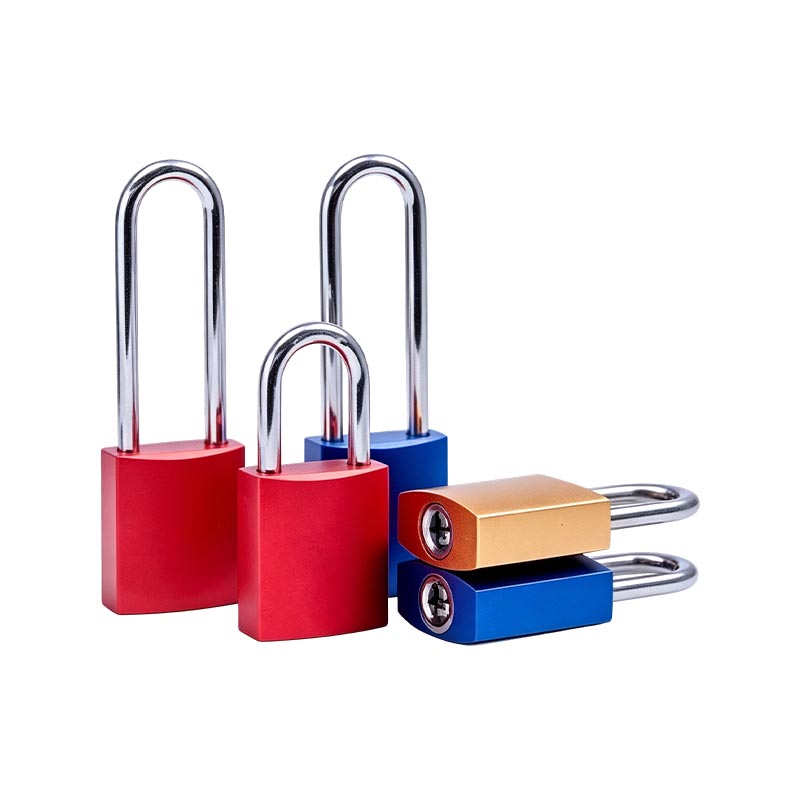
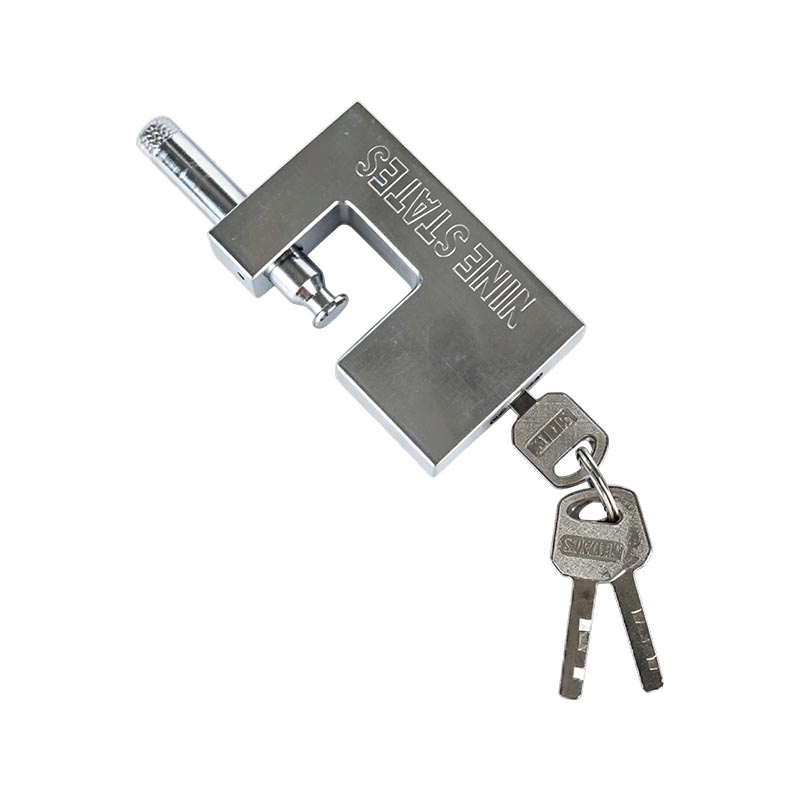
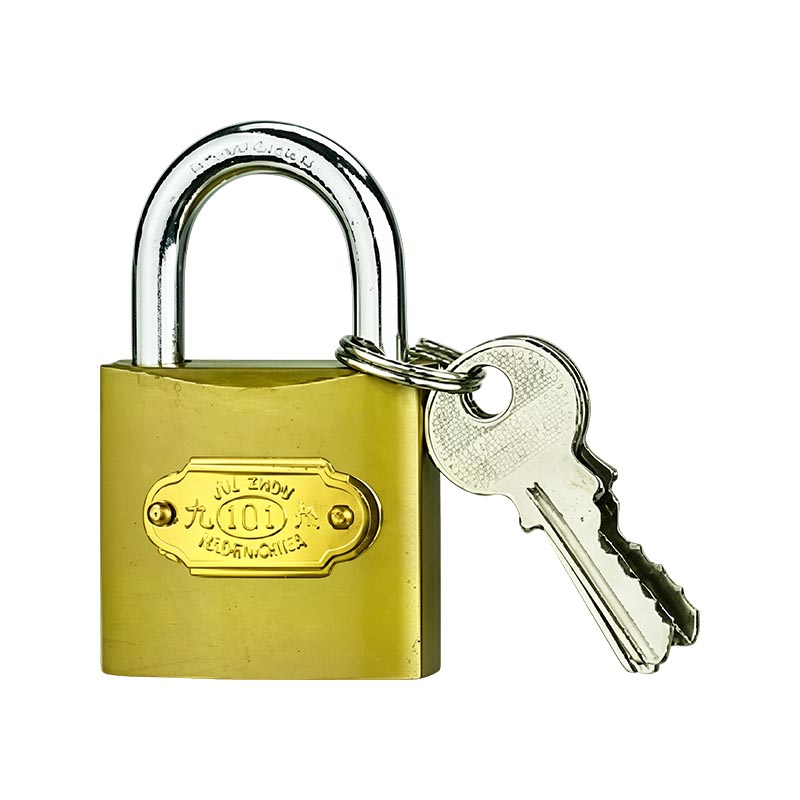
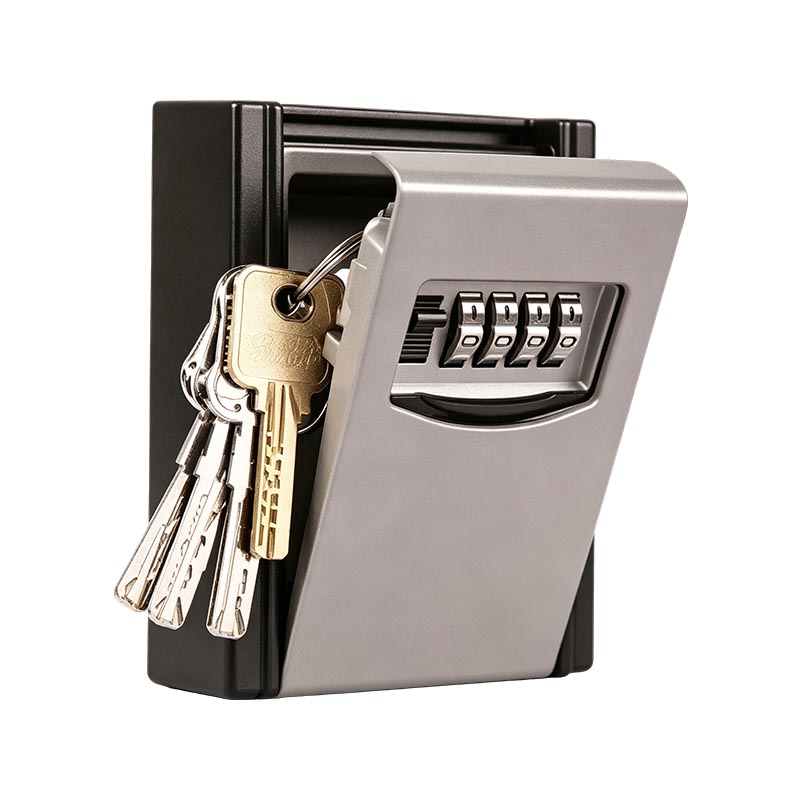
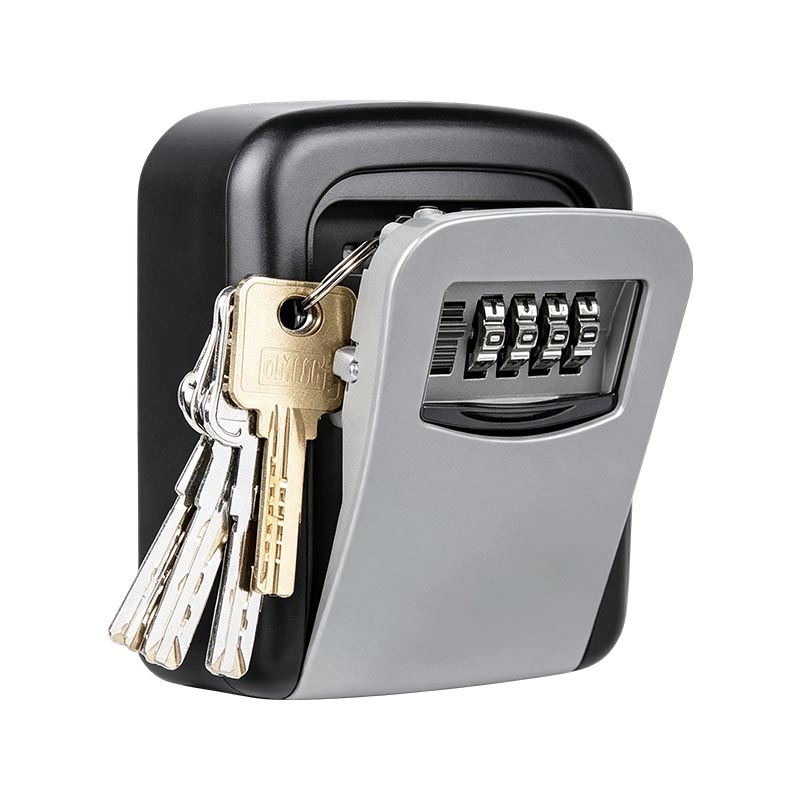
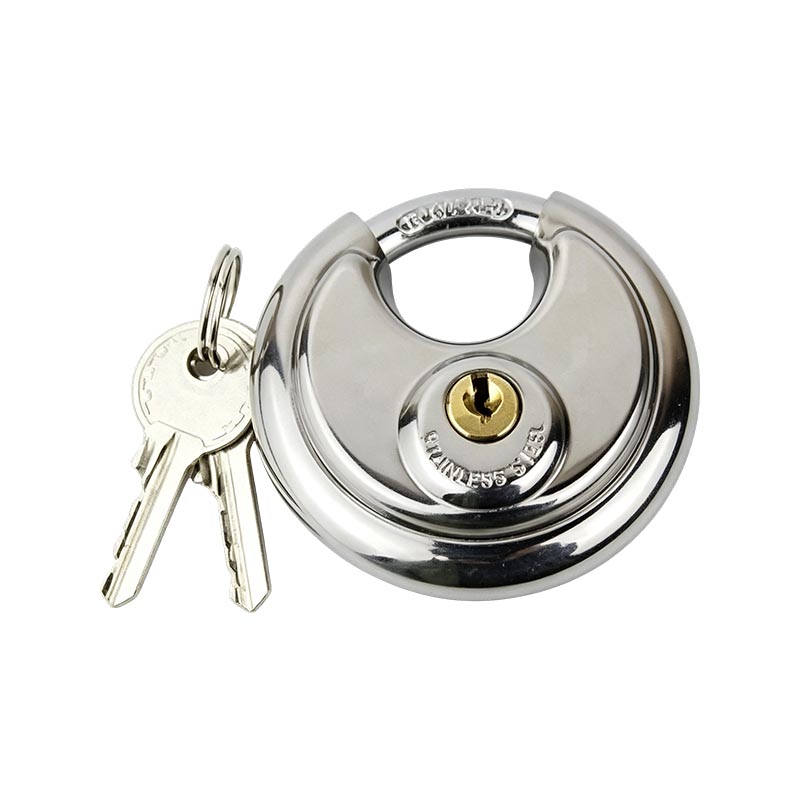
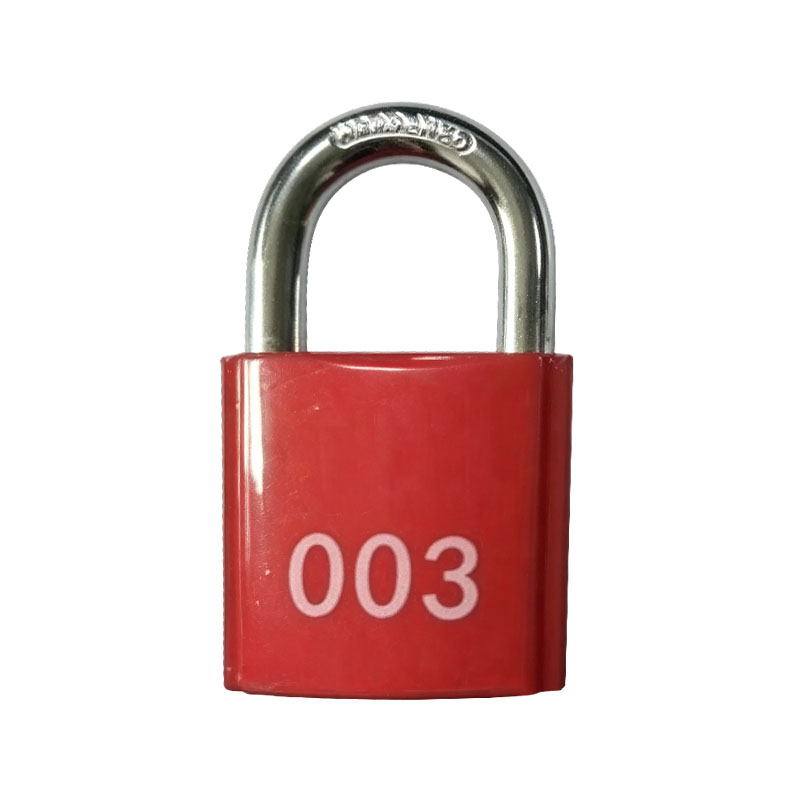
The lineup below shows four production-ready options from the current Combination Padlock series, covering brass, aluminum, and disc-style bodies for retail, institutional, and export orders.
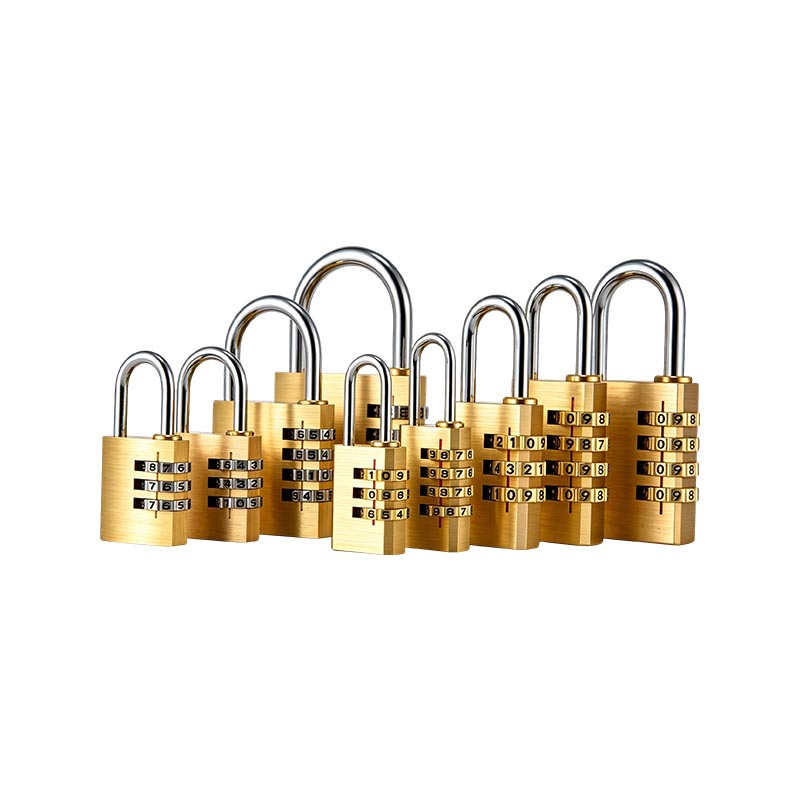
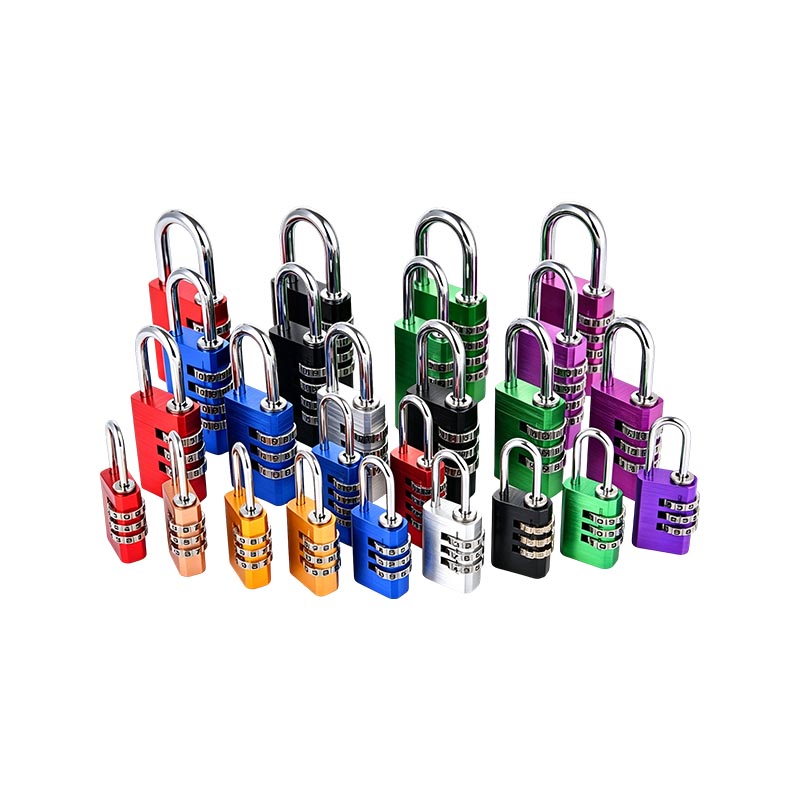
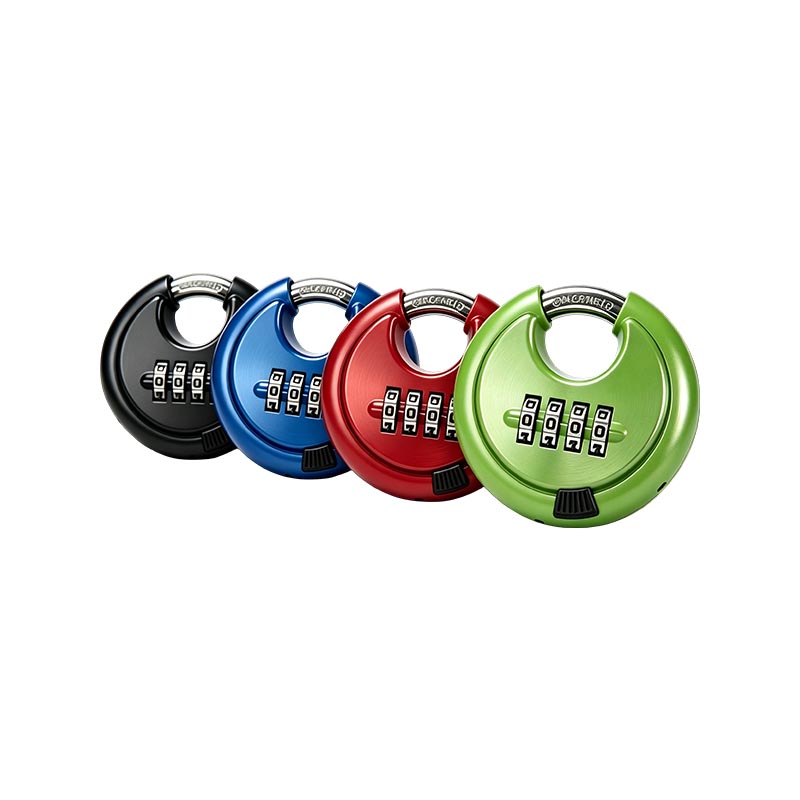
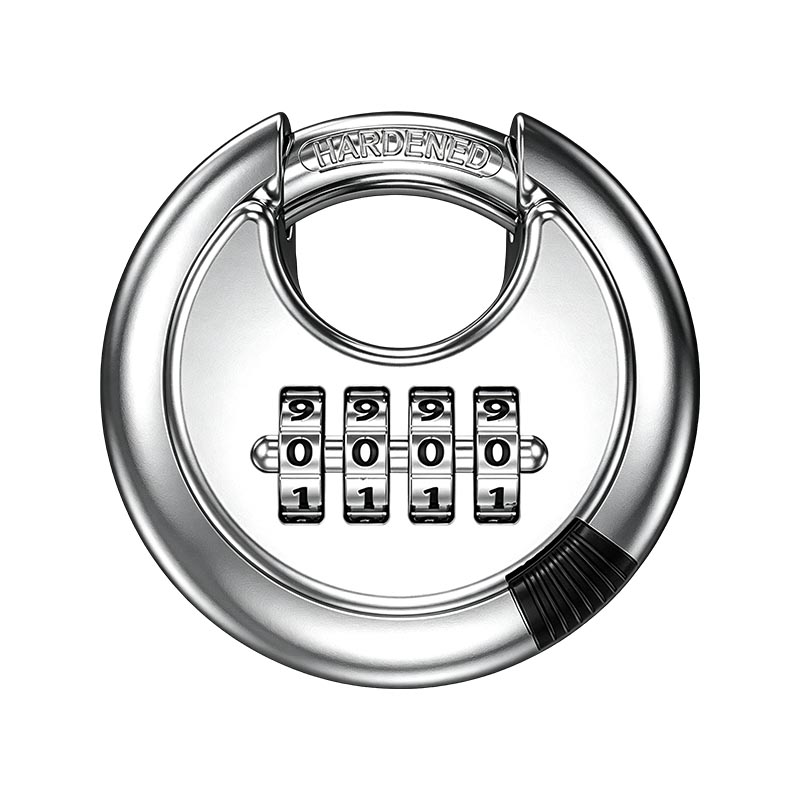
The direct answer: a standard combination padlock has a full U-shaped shackle that is mostly exposed, while a disc combination padlock has a round body that wraps around a short, mostly hidden shackle. That shape difference is the main reason disc locks resist bolt cutters and pry bars better than a standard body of similar size.
On a standard lock, both sides of the shackle are open, giving a cutting tool two clear angles to work from. On a disc lock, only a narrow arc of hardened steel is visible, so a bolt cutter jaw often cannot get a full bite. This is why a Wholesale Disc Combination Padlock Supplier typically sees demand concentrated in storage units, shipping containers, trailers, and fencing, where the lock is left unattended for long periods.
Standard combination padlocks remain the more common choice for lockers, cabinets, and luggage, since the open shackle is easy to hook onto a hasp or chain. Disc-style bodies are better suited to gates, tool boxes, vending units, and self-storage facilities, where an OEM/ODM Disc Combination Padlock Factory can adjust color coding and body diameter to match a client's existing hardware.
The direct answer: aluminum bodies weigh roughly one third as much as brass of the same size, and the surface anodizes easily into multiple colors, which together solve the two biggest problems locker rooms face, weight in bulk shipments and confusion between similar-looking locks.
A facility that installs several hundred lockers feels the weight difference immediately during unpacking and issuing. Color anodizing also turns the combination padlock into a simple management tool. For example, a school with 500 lockers can assign five colors to five grade levels, so staff can identify which group a locker belongs to at a glance, without checking a spreadsheet. Gyms use the same approach to separate day-use lockers from monthly-member lockers, and hotels use it to tell staff lockers apart from guest lockers.
Because aluminum is easy to machine and anodize, it also pairs well with laser-marked logos, which is why gyms, schools, and hotel chains frequently order it alongside a matching combination door lock for equipment rooms and storage closets on the same site.
The direct answer: check three things before placing a bulk order, factory ownership of the tooling, years of padlock-specific production history, and whether the supplier already exports to your region. A trading company can quote a price, but only a factory can adjust the wheel mechanism, shackle hardening, and packaging to an OEM specification.
Zhejiang Rongtao Hardware Products Co., Ltd. operates as a China Combination Padlock Manufacturer built around the Yiwu Shengping Lock Factory, which carries close to thirty years of padlock production history. The company also runs its own recycled raw-material operation, which keeps material quality consistent across large production runs, an important detail for buyers placing repeat orders over several years.
As an OEM/ODM Combination Padlock Factory, the plant supports laser logo marking, embossed branding, custom finish colors, and private packaging, which lets retail buyers put a house brand on a Padlock Combination Lock without owning a factory themselves. As a Custom Combination Padlock Manufacturer, the same production line also produces brass, aluminum, zinc alloy, and stainless steel bodies, so one supplier can cover an entire product line instead of splitting the order across several factories.
Wholesale and retail buyers should also confirm how each combination padlock is packaged before it leaves the factory. Blister cards suit retail shelves, while poly bags with a printed header card suit institutional bulk orders where branding matters less than unit cost. Before shipment, a reliable factory runs the shackle through repeated open-close cycles, checks that the wheels turn smoothly without catching, and verifies that every unit in a batch opens only on its assigned code. These checks matter more for a Wholesale Disc Combination Padlock Supplier than for a single-item purchase, since one weak batch can affect hundreds of installed lockers at once.
Buyers focused on the disc category specifically should also confirm that the factory has dedicated tooling for round-body locks, since the die-casting and shielding steps differ from a standard shackle lock. An OEM/ODM Disc Combination Padlock Factory with in-house tooling can turn around new color runs and logo samples faster than a supplier that outsources the disc body to a third party.
Are combination padlocks secure enough for daily use. Yes, for everyday storage. A 4-wheel lock offers 10,000 possible codes, and a hardened shackle resists casual cutting attempts. High-value cargo should step up to a disc body or a 5-wheel mechanism.
Can the code be changed after purchase. Most models allow this. The user opens the lock, engages the reset control, sets new digits, and closes the lock again. It is good practice to test the new code before relying on it.
What happens if the code is forgotten. Most fixed-code combination padlocks cannot be recovered without cutting the shackle, so the code should be recorded somewhere secure as soon as the lock is set.
Start with the environment, then the wheel count, then the material, and the right combination padlock becomes an easy decision rather than a guess. Brass and stainless steel cover outdoor and coastal use, aluminum covers weight-sensitive and color-coded locker programs, and disc bodies cover sites that need the strongest resistance to cutting tools. For bulk and OEM buyers, working directly with a factory-based China Combination Padlock Manufacturer keeps material quality, custom branding, and delivery timing under one roof instead of several.
Previous Article:
Hot Recommended Products
Through continuous innovation, we build a high‑end R&D team, form a diversified cluster of lock and hardware products, and accelerate the high‑quality industrial development of safety hardware locks.

With thirty years of experience manufacturing EN 12320 certified padlocks, we maintain strict control over raw materials and quality.
Contact Information
+86-579-85665313
+86-579-85665685
market@chinajiuzhou.com
Tony Xu
E-mail:sales2@chinajiuzhou.com
Add
No. 11 Wuhan Road, Shangxi Town, Yiwu City, Zhejiang Province, China 322006
Quick Links
[Mobile]
Keep In Touch

 English
 Français
 Español
 Deutsch
 عربى
عربى
 italiano