
News
Content
Start with the load case, not the label. A brass padlock body and an aluminum padlock body can look similar on the counter, but they behave differently under a pry bar, a bolt cutter, road salt, and a 12-month outdoor cycle. The short answer is this: brass is usually stronger in body hardness, abrasion resistance, and tensile performance, while aluminum wins on weight and can still be secure when the shackle is hardened steel and the body design is sound. The real risk is buying "aluminum" or "brass" as a generic phrase without a shackle specification, alloy grade, or test report.
For the same body size and comparable construction, a brass body generally has higher tensile strength and better wear resistance than an aluminum body. That makes brass the safer default for high-value storage, fire-safety padlocks, industrial lockout points, and repeated key use. Aluminum is not weak by default; it is a lighter material that performs well in luggage, cabinets, and weather-exposed low-to-medium security duties when paired with a hardened shackle and a tight locking mechanism.
Strength is not one number. A 50 mm aluminum padlock with an 8 mm hardened steel shackle may resist cutting better than a 40 mm brass padlock with a 6 mm soft shackle. Buyers should compare the full assembly: body material, shackle diameter and hardness, body thickness, locking bolt engagement, and corrosion finish.
Use these criteria when a supplier says one material is stronger.
| Criterion | Aluminum body | Brass body | Buyer impact |
|---|---|---|---|
| Body tensile strength | Lower than brass at equal section; alloy and design can narrow the gap. | Higher, especially in heavy-duty brass designs. | Brass resists deformation under pry and impact better. |
| Weight | Roughly one-third the density of brass; lighter for portable use. | Heavier; noticeable on large body sizes. | Aluminum reduces shipping weight and hand fatigue. |
| Corrosion behavior | Forms an oxide layer; good indoors and in many outdoor uses when coated. | Good general corrosion resistance; some alloys need protection in aggressive water. | Both need finish control; salt-spray test data matters more than the material name. |
| Abrasion and wear | Softer surface; scratches and dents more easily. | Better wear resistance and thread retention. | Brass suits repeated use and rough handling. |
| Cut and pry resistance | Material alone is not enough; the shackle is the primary cut barrier. | Stronger body helps against prying, but a soft shackle remains a weak point. | Compare shackle hardness and body thickness together. |
| Best fit | Luggage, lockers, cabinets, light outdoor use. | Gates, storage units, industrial points, fire-safety padlocks. | Match the material to the attack and the environment. |
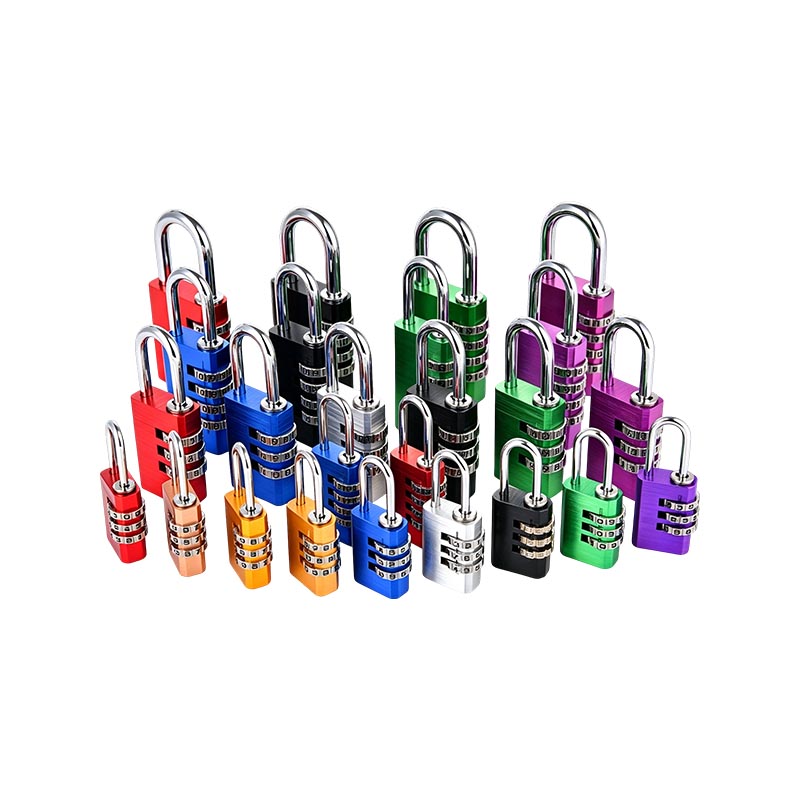
Aluminum is the practical choice when weight, color, and cost control matter more than maximum body strength. A die-cast or extruded aluminum body with a hardened steel shackle is common in luggage locks, gym lockers, filing cabinets, and light storage. The lower density reduces shipping weight and hand fatigue; coating can deliver bright colors and a clean retail look.
Do not treat aluminum as a substitute for a heavy-duty brass or steel padlock on a perimeter gate, a cargo container, or a fire-safety application. Under a pry bar, an aluminum body can deform sooner, and repeated key use in a soft body can wear the plug bore faster if tolerances are loose. If an aluminum lock is going outdoors, ask for salt-spray hours, shackle hardness, and a drain or cover design; water trapped inside a low-cost body is a bigger enemy than the word "aluminum."
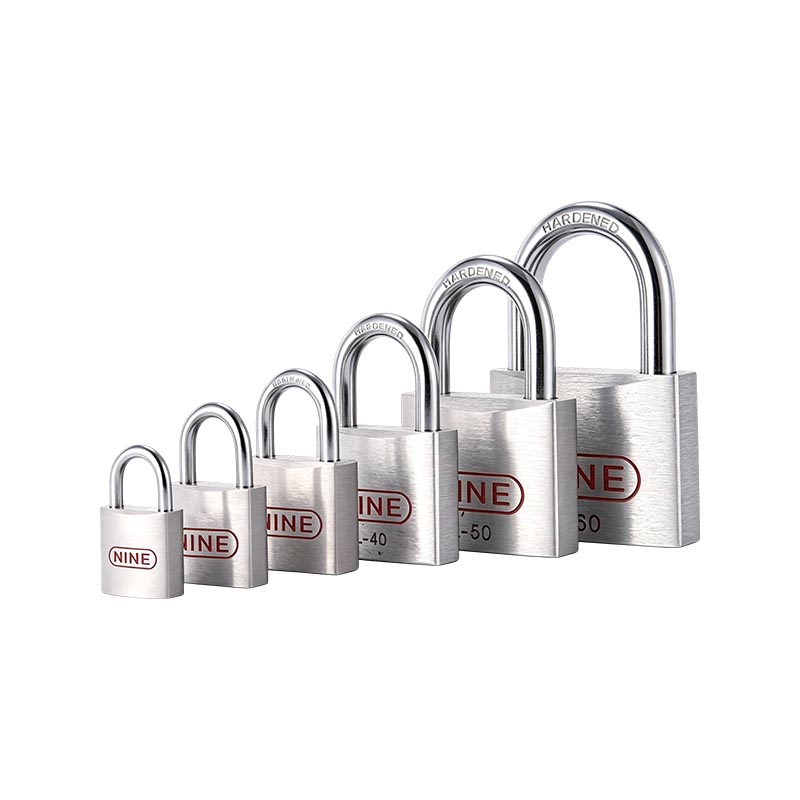 Lightweight Aluminum Padlock Series for General SecurityAnodized aluminum-body padlocks with hardened shackles and brass or stainless cylinders, suited to luggage, lockers, cabinets, and other lighter-duty applications.View Product →
Brass is a copper-zinc alloy, and its mechanical properties vary with composition and temper. A well-made brass body is denser, harder, and more abrasion-resistant than a typical aluminum body, so it holds threads, rivets, and locking bolts more securely. That is why brass remains common in heavy-duty padlocks, fire-safety padlocks, and locks that face repeated use or rough handling.
Brass is not indestructible. It can be cut, and some brass alloys are vulnerable to dezincification in aggressive water or certain chemicals. Specify the alloy and finish, and use a hardened steel shackle with a shrouded or dual-ball locking system for serious security. For buyers comparing suppliers, a brass body with poor shackle hardness is weaker than a lighter body with a properly hardened shackle.
For a deeper material comparison, see this note on brass padlock material advantages.
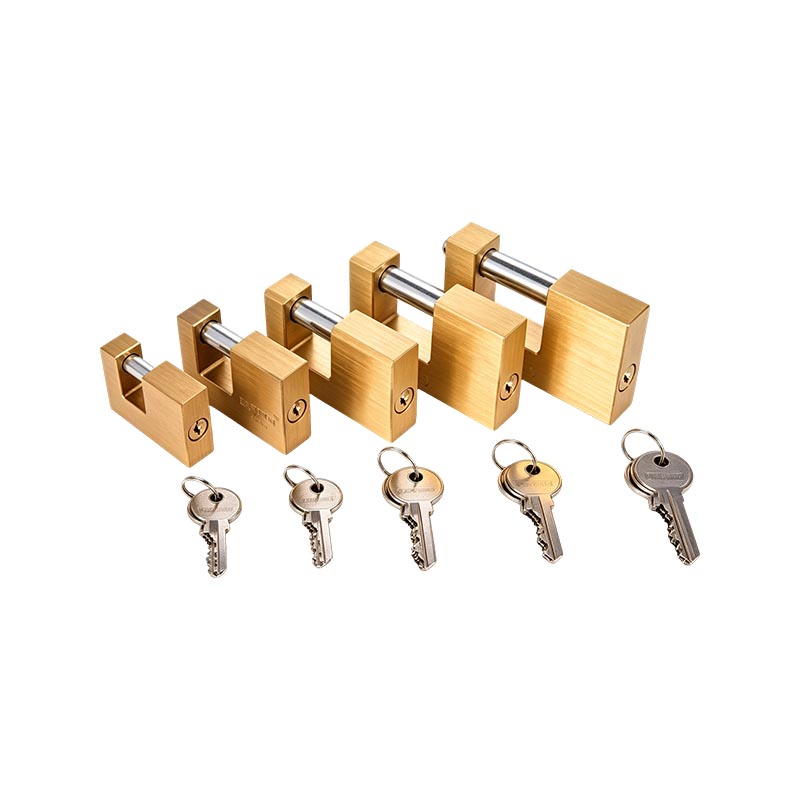
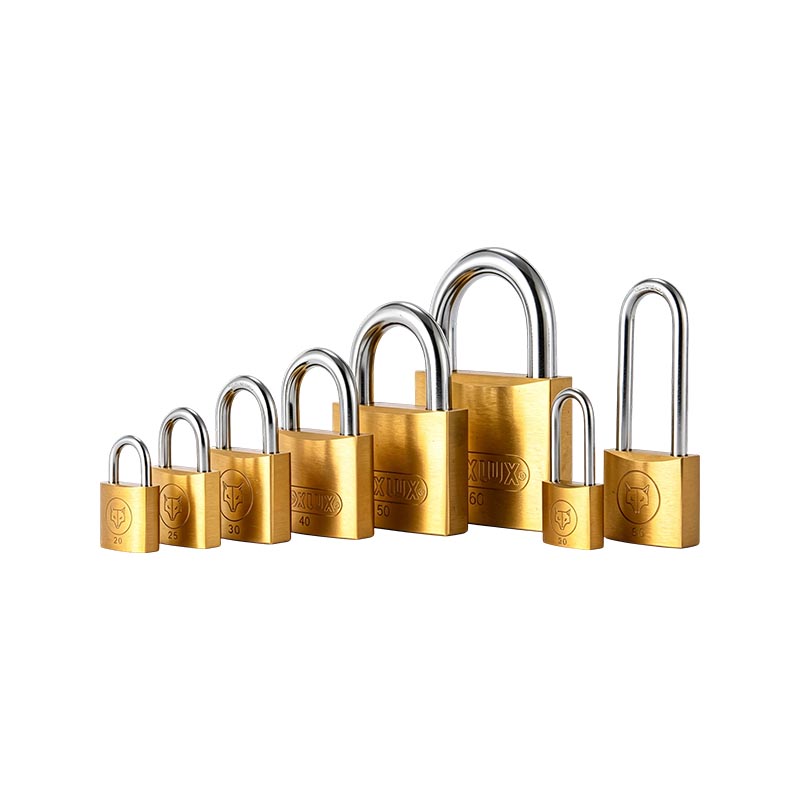 Heavy Duty Brass Padlocks for High-Security ApplicationsThickened brass bodies, hardened shackles, and precision cylinders support warehouse gates, cargo containers, industrial doors, and fire-safety or LOTO uses.View Product →
A specification that looks good on paper can still fail at the gate. Use the application to set the priority.
Aluminum is often the better fit because weight and appearance matter, and the threat is opportunistic rather than sustained. Choose a model with a hardened shackle and a body that closes tightly; a loose shackle is easier to shim than a soft body is to break.
Brass is the stronger default, but do not stop at the body. Specify shackle diameter, minimum hardness, bolt engagement, and a finish that matches the local climate. For coastal or chemical exposure, confirm salt-spray results and avoid unspecified brass alloys.
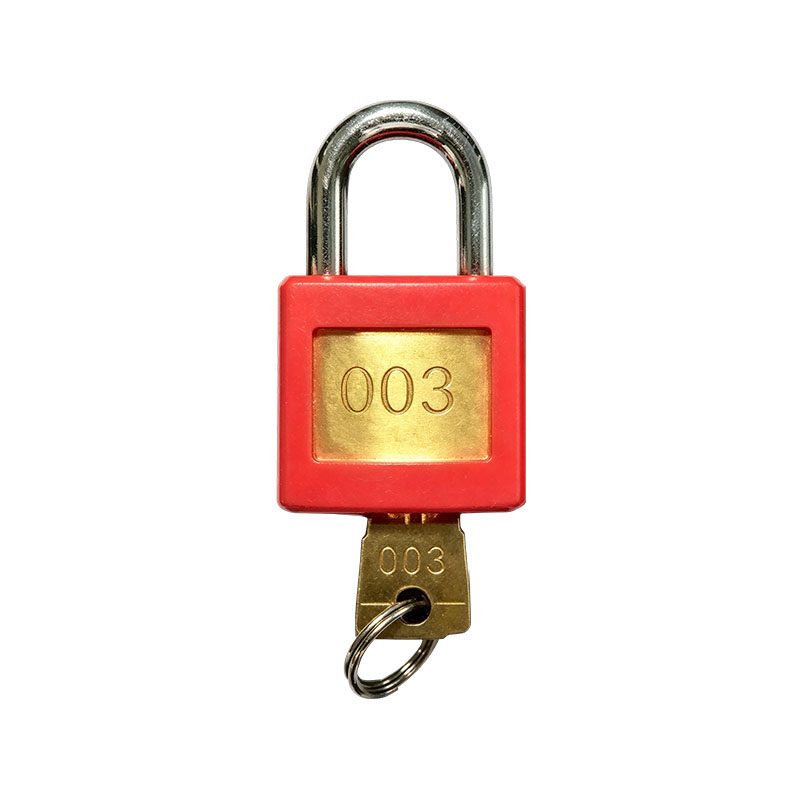
Brass bodies are common because they hold shape and accept durable red coatings or sleeves. The lock must also release reliably after heat or contamination, so test the full assembly, not just the material label.
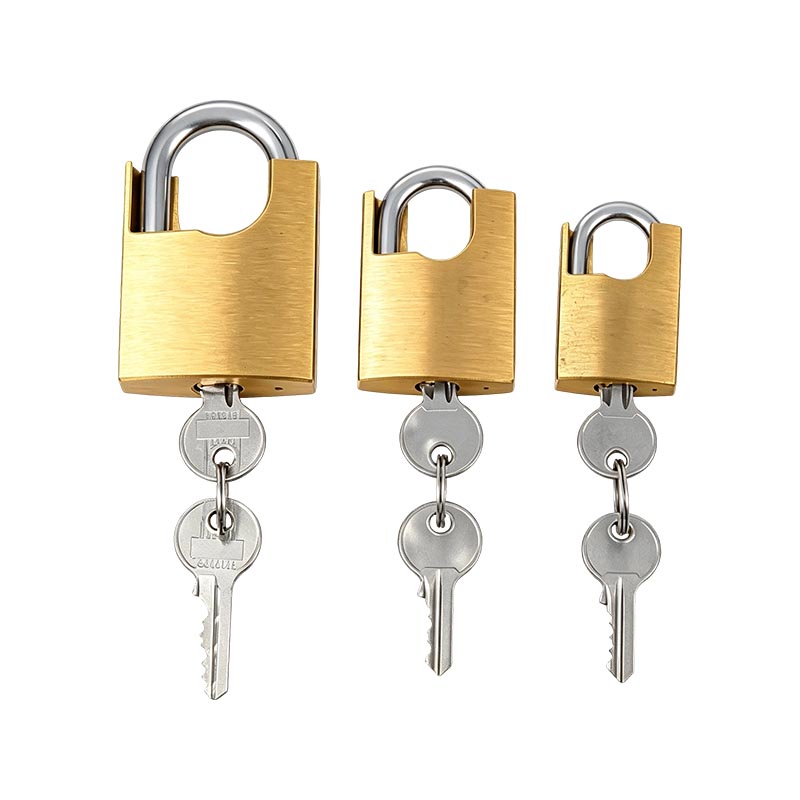
Brass Padlock Range for General and Fire SafetyPure brass bodies with hardened shackles across heavy, medium, and thin types, including fire-safety models for doors, cabinets, luggage, and emergency equipment.View Product →Use a line-item specification rather than a one-word material request. This reduces sample drift and claim disputes.
A supplier with in-house tensile and salt-spray testing can catch batch drift before shipment. If the order is for a tender or a private-label program, send your target specification to our team through the contact page and ask for the test method behind each claim.
No. "Always" ignores geometry. A large aluminum body with a hardened 10 mm shackle can outperform a small brass body with a soft 6 mm shackle. At equal design and dimensions, brass usually has higher body strength and wear resistance.
Yes, for low-to-medium security and well-designed products. Check coating, drainage, shackle hardness, and salt-spray data. For coastal or high-value outdoor use, brass or stainless steel is usually the safer starting point.
Brass is the common choice because it holds shape and supports durable coatings or sleeves. Confirm the full lock's release behavior and relevant fire-safety standard rather than relying on the body material alone.
Not automatically. Weight often signals denser material, but security comes from shackle hardness, locking bolt engagement, body construction, and tolerances. A heavy lock with a soft shackle is still a soft target.
Bottom line: choose brass when body strength, wear life, and high-value outdoor security drive the decision; choose aluminum when weight, color, and cost fit a lower-risk application. In both cases, write the shackle and test requirements into the purchase order. That is what turns a material debate into a reliable lock.
Previous Article:
Next Article:
Hot Recommended Products
Through continuous innovation, we build a high‑end R&D team, form a diversified cluster of lock and hardware products, and accelerate the high‑quality industrial development of safety hardware locks.
News Center
News & Information
Real time dynamics, one hand control. Here, we gather enterprise information, industry hotspots, and activity dynamics to help you quickly understand our development pace and cutting-edge insights.

With thirty years of experience manufacturing EN 12320 certified padlocks, we maintain strict control over raw materials and quality.
Contact Information
+86-579-85665313
+86-579-85665685
market@chinajiuzhou.com
Tony Xu
E-mail:sales2@chinajiuzhou.com
Add
No. 11 Wuhan Road, Shangxi Town, Yiwu City, Zhejiang Province, China 322006
Quick Links
[Mobile]
Keep In Touch
