
News
Content
Two quotes land on the same desk: 5,000 keyed padlocks for a chain of gym lockers. The brass version costs $1.85 per piece. The aluminum version costs $1.15 and weighs roughly 40% less, which cuts freight on the same carton volume. The buyer's next question is predictable: are aluminum padlocks secure, or is that saving a false economy?
Short answer: yes, for the job they are built for. A well-made die-cast aluminum padlock with a hardened steel shackle and a brass-pin cylinder resists casual theft, locker-room snooping, opportunistic tampering and most indoor access-control scenarios as well as anything in its price band. It is not a high-security lock, and it should never be the only barrier in front of high-value goods or an unmonitored perimeter gate.
The longer answer: the body material is only one variable. Shackle grade and diameter, cylinder quality, and wall thickness combined with shackle fit decide far more about real-world security than the word "aluminum" on the spec sheet.
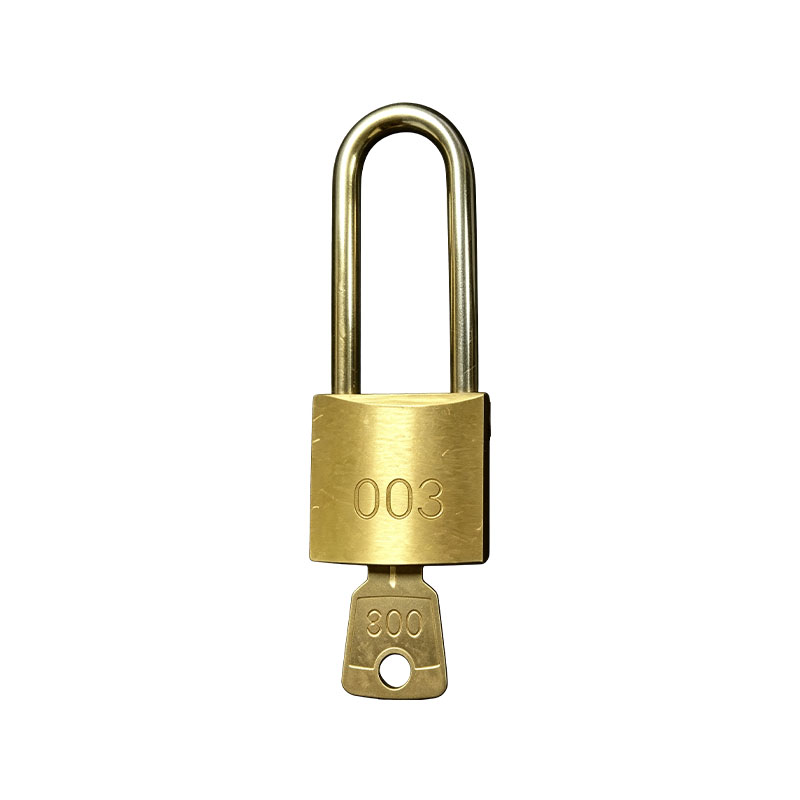
Aluminum padlock bodies are usually die-cast from an A380-type alloy, occasionally machined from 6061. Density is about one third that of brass, so a 50 mm aluminum padlock typically weighs 60–90 g against 150–200 g for the brass equivalent. For luggage, lockers and anything shipped by air or in bulk, that difference shows up directly in freight cost.
Corrosion behavior is the second advantage. Aluminum does not rust; it forms a thin oxide layer that protects the surface, and anodizing or powder coating adds color and wear resistance on top. That makes aluminum sensible for humid indoor areas, coastal warehouses and travel use, where an unprotected iron body would show red rust within weeks.
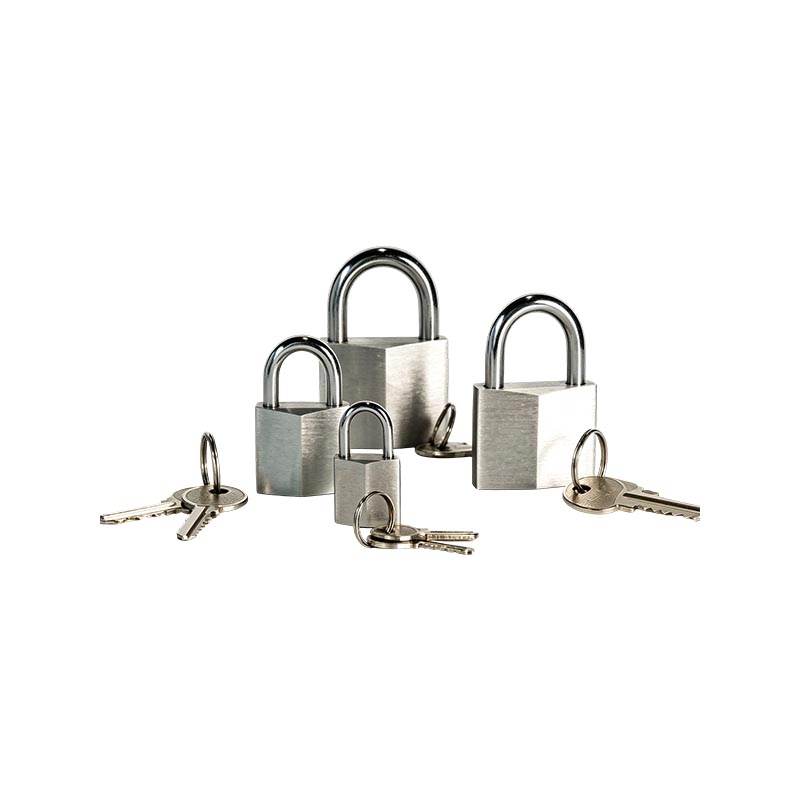
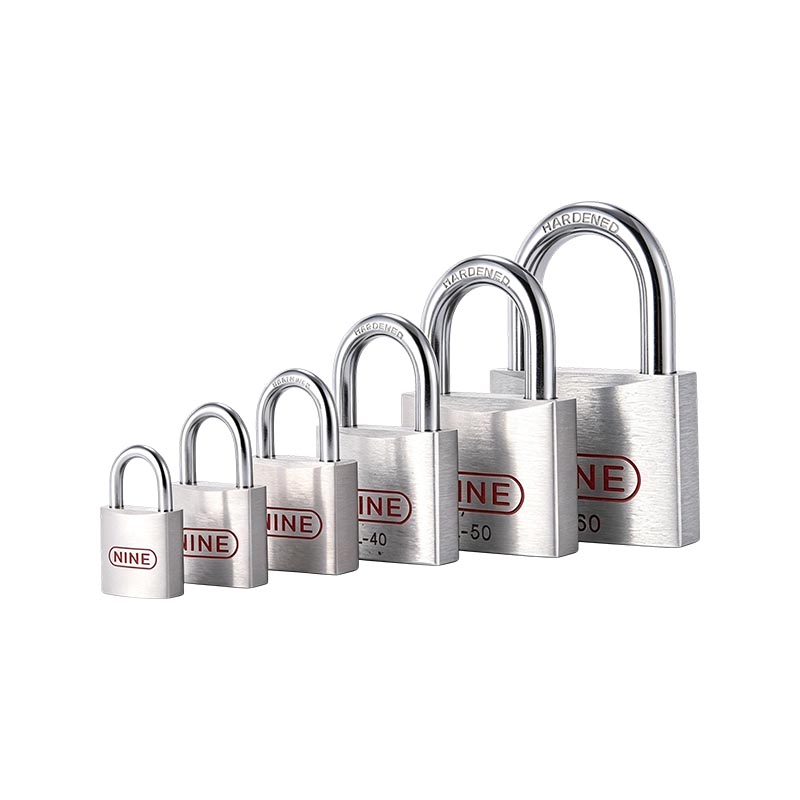 Arc-Shaped Aluminum Padlock with Hardened Steel ShackleLightweight, rust-resistant aluminum body and hardened steel shackle suit humid storage and travel, though aluminum is softer than brass or steel.View Product →
The weakness is mechanical. Aluminum is softer and has lower impact resistance than brass, zinc alloy or steel, so a chisel, hammer or heavy bolt cutter will deform or shear an aluminum body faster. There is a second, less obvious issue: pairing an aluminum body with a steel shackle creates a galvanic couple. In wet conditions, without grease or a plastic insert at the shackle bore, that joint can corrode and seize. That is a warranty problem long before it becomes a security problem, which is why salt-spray, pull and torque checks belong in production rather than in a brochure.
| Body material | Weight | Corrosion resistance | Cut and impact resistance | Typical best fit | Relative unit cost |
|---|---|---|---|---|---|
| Die-cast aluminum | Lightest | Good; no rust, improves with anodizing | Low to moderate | Luggage, lockers, cabinets, indoor storage | Low |
| Solid brass | Heavy | Very good, including marine air | Moderate to high | Fire equipment, outdoor gates, long service life | High |
| Iron or carbon steel | Medium | Poor without coating; covers help | Moderate | Budget outdoor use, painted or covered bodies | Low |
| Stainless steel 304 | Medium to heavy | Excellent | High | Coastal, food areas, washdown environments | Highest |
| Zinc alloy | Medium | Good when plated | Moderate | Mid-range padlocks, disc combination locks | Medium |
Read the table as a specification tool. An outdoor gate on a coastal site is the wrong starting point for aluminum, whatever the coating; brass or 304 stainless costs more per unit and far less per year of service. A thousand color-coded locks for indoor staff lockers is exactly the right starting point, and the saved budget is better spent on a better cylinder.
Most attacks skip the body and go for the shackle. A 6 mm mild steel shackle gives way to a 600 mm bolt cutter in seconds; an 8 mm hardened boron steel shackle at roughly 45–55 HRC turns the same tool into a two-hand, two-minute job that most opportunists abandon. Ask for the steel grade and hardness range in writing, and confirm whether the shackle is through-hardened or case-hardened only.
Shackle exposure matters as much as diameter. A shrouded shackle, where the body closes around it on both sides, leaves only a few millimeters for a cutter to bite. Where the application tolerates the extra weight, a shrouded body is a better answer than a longer, more exposed aluminum shackle.
A five-pin brass cylinder with anti-pick spool pins and 1,000 or more key differs is normal for export-grade product. Three-pin cylinders with a few dozen differs still appear in low-cost aluminum locks and are the real weak point of an otherwise acceptable product. Institutional buyers should specify the master-key structure, the number of differs required, and whether the keyway must accept a restricted profile.
Die-cast aluminum allows thin walls cheaply, and thin walls are what fail under prying. A practical bench check is the shackle-to-bore clearance: anything looser than roughly 0.3 mm rattles, admits water, and gives a probing tool room to work. Confirm the body drains, too. A padlock that holds water will seize its shackle within a season, aluminum or not.
Aluminum earns its place where the threat is casual and the priorities are weight, cost, color and corrosion resistance:
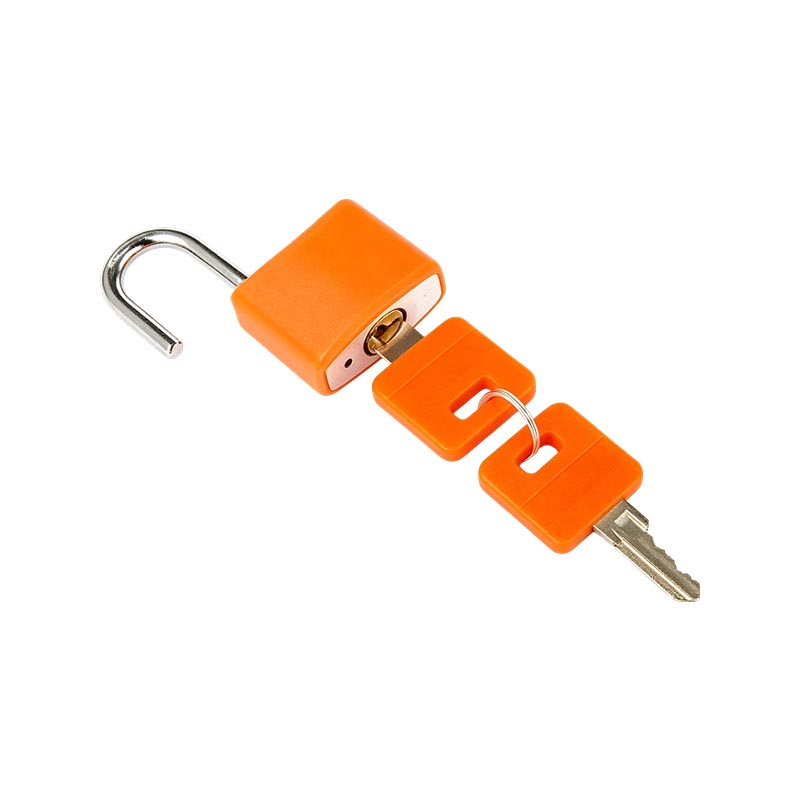
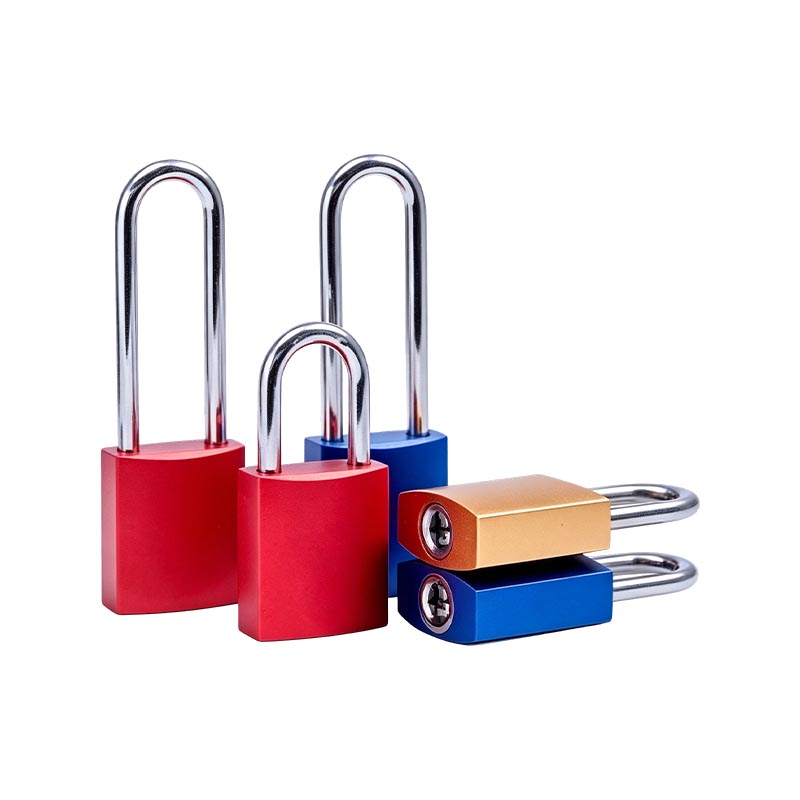 Colorful Arc Aluminum Padlock with Anodized FinishAnodized aluminum body offers consistent color, light weight and a hardened shackle for lockers, luggage and storage programs.View Product →
It is also the friendliest material for branding. Anodized aluminum takes consistent color, so a program of red, blue, green and black bodies is far easier to manage than painted iron, where chipped paint becomes rust. If a program spans lockers, luggage and storage together, this guide to aluminum padlock shapes for luggage, lockers and storage is a practical companion to the spec sheet.
In these cases the aluminum padlock is not "insecure" so much as misapplied, and misapplication rather than manufacturing defect is the most common reason a lock fails in service.
The exception worth calling out is keyless access. When 200 people need to open 200 lockers and nobody wants to manage 200 keys, an aluminum combination padlock is often the most practical answer. The body keeps weight and cost down, and the security question moves entirely to the mechanism.
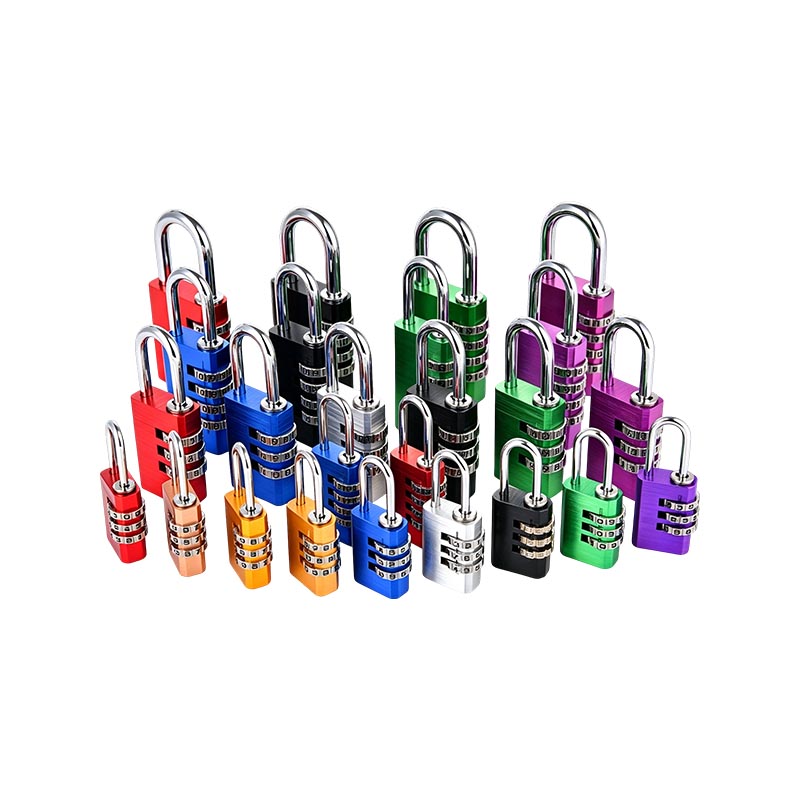
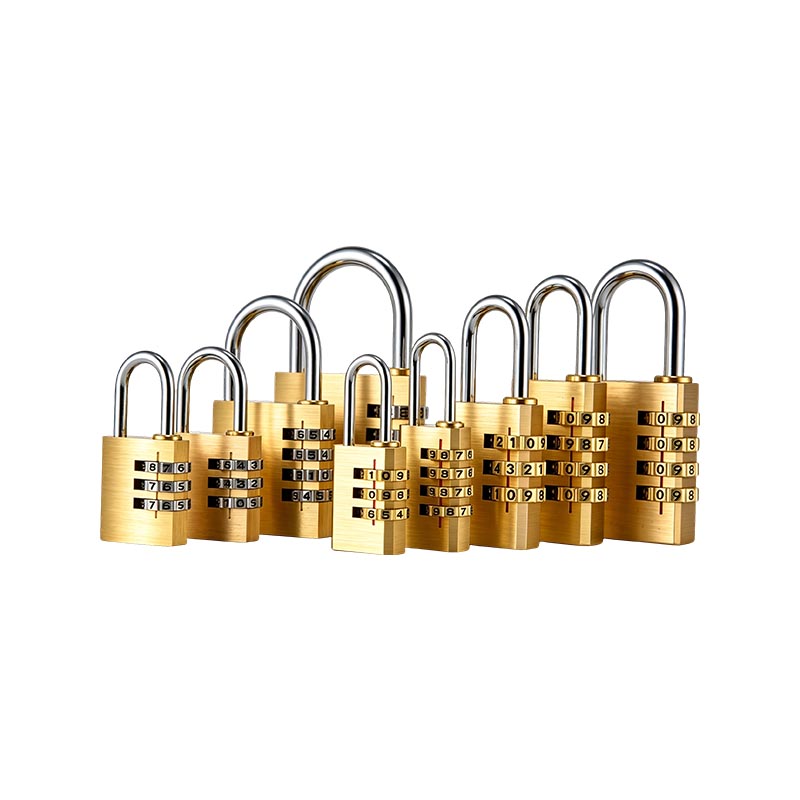
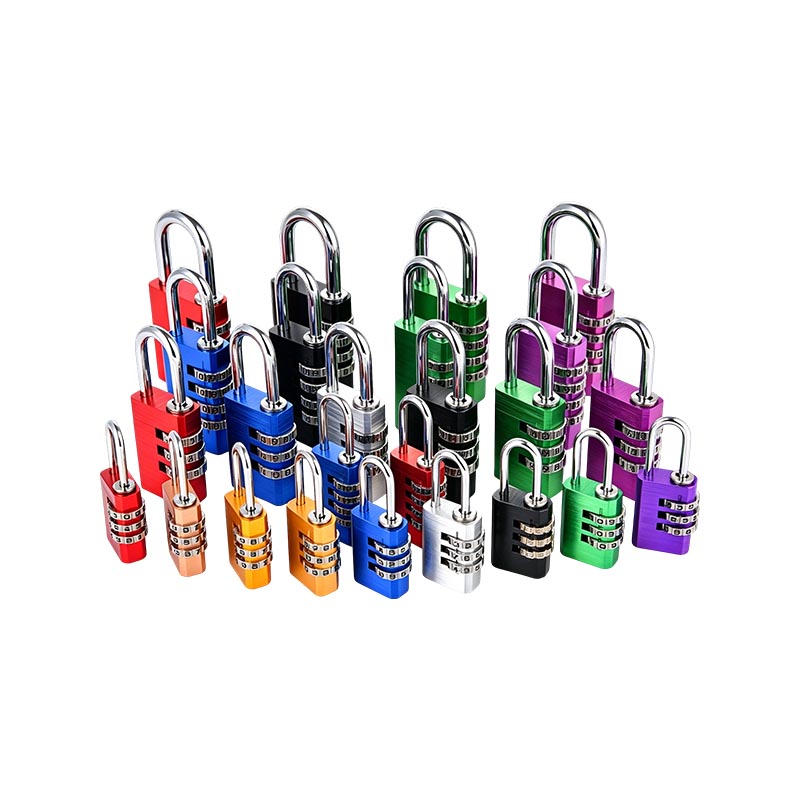 Aluminum Combination Padlock for Keyless Locker AccessKeyless 3- or 4-digit combination, resettable, with aluminum body and optional hardened steel shackle for shared lockers and storage.View Product →
Choose a disc-style mechanism over a flat pin stack where budget allows. Disc cylinders with false gates resist shimming and feeling attacks far better than the three-wheel pin stacks in the cheapest combination locks, and they tolerate dust and grit. Specify the number of available combinations, the reset procedure and whether the shackle is hardened. A combination lock with a soft shackle gives away with one hand tool everything it gained with a better dial.
Samples approved in a meeting and shipments received six weeks later rarely match unless the specification is written down. Six items cover most of the risk:
If you are weighing aluminum against brass or stainless for a specific program, send the application details through our contact page and ask for the three options quoted side by side with their test data.
Not in cut and impact resistance. Aluminum bodies deform faster under a chisel, and most aluminum padlocks ship with lighter shackles. They are entirely adequate where the threat is casual, and they are lighter and cheaper at the same cylinder quality.
The body will not rust, but the steel shackle and internal springs will if water gets in, and a steel shackle in an aluminum body can seize through galvanic corrosion. For continuous outdoor exposure, grease the shackle bore or move to a brass or stainless steel body.
Yes. Most can be cut with a large bolt cutter, and the time required depends almost entirely on the shackle: 8 mm hardened boron steel takes far longer than 6 mm mild steel. Specify the shackle first and treat the body material as a secondary decision.
Only as a second layer. A shed holding tools or bicycles is a medium-risk target, so a shrouded brass or hardened steel padlock plus a hasp that covers the shackle is a better use of budget.
The practical conclusion: aluminum padlocks are secure when the shackle, cylinder and tolerances are specified properly, and they are the right choice for luggage, lockers, cabinets and color-coded indoor programs. They are the wrong choice for high-value goods, coastal perimeters and anything an insurer will inspect. Decide the threat model first, then choose the material, and put the shackle grade in the purchase order, because that is the part that decides how long the lock survives.
Next Article:
Hot Recommended Products
Through continuous innovation, we build a high‑end R&D team, form a diversified cluster of lock and hardware products, and accelerate the high‑quality industrial development of safety hardware locks.
News Center
News & Information
Real time dynamics, one hand control. Here, we gather enterprise information, industry hotspots, and activity dynamics to help you quickly understand our development pace and cutting-edge insights.

With thirty years of experience manufacturing EN 12320 certified padlocks, we maintain strict control over raw materials and quality.
Contact Information
+86-579-85665313
+86-579-85665685
market@chinajiuzhou.com
Tony Xu
E-mail:sales2@chinajiuzhou.com
Add
No. 11 Wuhan Road, Shangxi Town, Yiwu City, Zhejiang Province, China 322006
Quick Links
[Mobile]
Keep In Touch

 English
 Français
 Español
 Deutsch
 عربى
 italiano