
News
Content
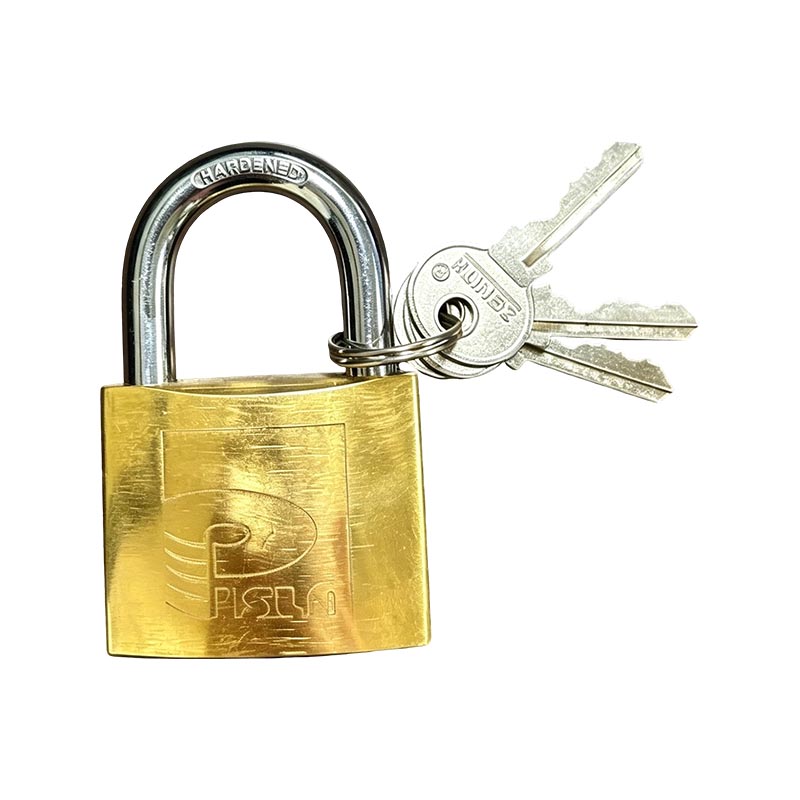
The right brass padlock comes from matching three variables: body size from 20mm to 70mm, duty level (thin, medium duty or heavy duty), and how the lock will be keyed and branded. For most doors, warehouses and storage cabinets, a 40mm or 50mm heavy duty model is the safest starting point. For narrow hasps and tight gaps, only a thin body will fit. For fire and emergency access, choose a hardened shackle and, where a standard applies, a certified design such as the AS4428.17 certified No.003 fire safety padlock.
A brass padlock is cast from pure brass, which gives natural rust and corrosion resistance indoors and outdoors. The shackle is hardened to resist sawing and prying. Zhejiang Rongtao Hardware Products Co., Ltd., a China Brass Padlock Manufacturer based in Yiwu, Zhejiang Province, produces thick body, medium thick body and thin body models through its Yiwu Shengping Lock Factory, and supports customized brand logos and keys.
Buyers often start with appearance and end up with a lock that does not fit the hasp or fails in the weather. A better sequence is to work from the environment inward. The four steps below cover most purchasing decisions for a brass padlock.
Define the exposure
A dry indoor cabinet and a coastal gate place very different demands on a lock. Brass does not corrode into flaking red rust the way plain iron does, so it holds up in humid air, rain and mild salt spray. For sites with heat risk, a solid brass body is also less likely to seize in high temperature fire environments.
Choose the body size
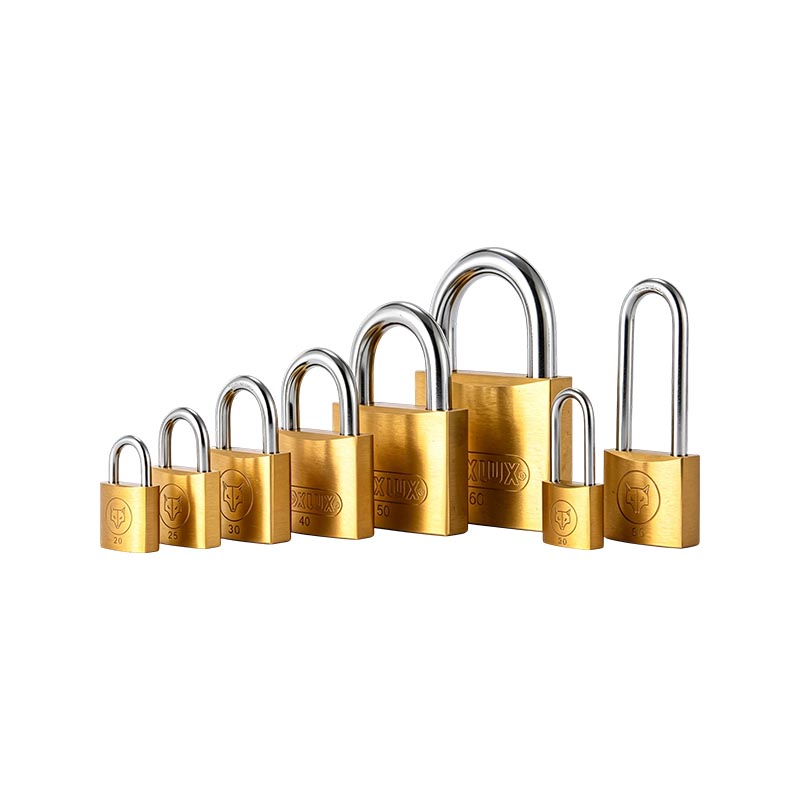
Body width drives both security level and physical fit. The size guide below shows where each size from 20mm to 70mm normally belongs.
Select the shackle style
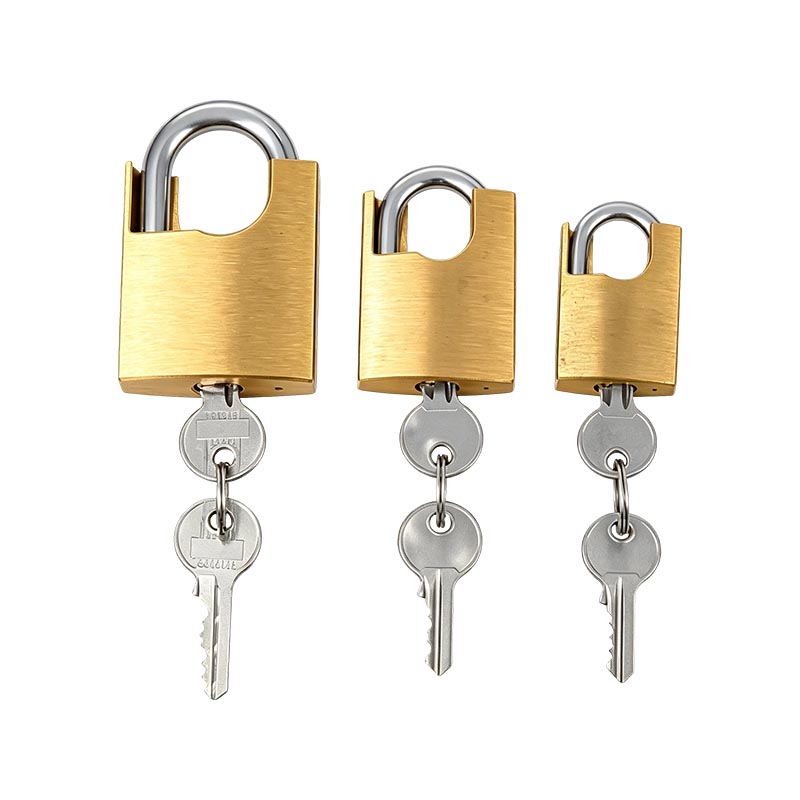
A standard shackle suits most hasps. A long shackle reaches through thick chains or wide gaps. A shrouded shackle hides most of the steel behind the body, which limits access for bolt cutters and saws.
Plan the keying
Decide whether every lock needs a different key, whether a group should open with one key, or whether a master key is required. A precision lock cylinder with a low mutual opening rate reduces the chance that one key opens another lock by accident.
Size is the first filter in any search for a brass padlock. The table lists typical use and typical shackle diameter ranges seen across the market. Exact figures vary by model, so confirm the drawing before ordering.
| Body Size | Typical Use | Suggested Type | Typical Shackle Diameter |
|---|---|---|---|
| 20mm | Luggage, lockers, small drawers | Thin | 3 to 4mm |
| 30mm | Cabinets, small toolboxes, mailboxes | Thin or medium duty | 4 to 5mm |
| 40mm | Doors, sheds, toolboxes | Medium duty | 5 to 6mm |
| 50mm | Warehouses, storage rooms, gates | Medium or heavy duty | 6 to 8mm |
| 60mm | Yard gates, equipment cages | Heavy duty | 8mm |
| 70mm | Perimeter gates, containers, heavy equipment | Heavy duty | 8 to 10mm |
A 20mm Brass Padlock is a deterrent for personal items. It keeps a bag zipper closed or a locker door shut, but it is not designed to stop a determined attack. A 30mm Brass Padlock adds a little more body mass and is common on cabinets, mailboxes and small toolboxes where the goal is to prevent casual opening.
The 40mm Brass Padlock is the everyday workhorse for sheds, doors and toolboxes. Moving to a 50mm Brass Padlock gives a wider body and a thicker shackle, which suits warehouse doors, storage rooms and garden gates. If you can only stock one size, these two cover the largest share of real requests.
A 60mm Brass Padlock and a 70mm Brass Padlock are chosen where the lock will be attacked with tools or left exposed all year. They pair well with shrouded or long shackle designs on yard gates, shipping containers and equipment cages.
Practical fit rule
Measure the hasp opening before you choose a size. If a toolbox hasp has an 8mm opening, a 70mm body cannot enter it, and the shackle of a 20mm lock may be too short to close. Always confirm both the opening diameter and the space needed for the shackle to swing.
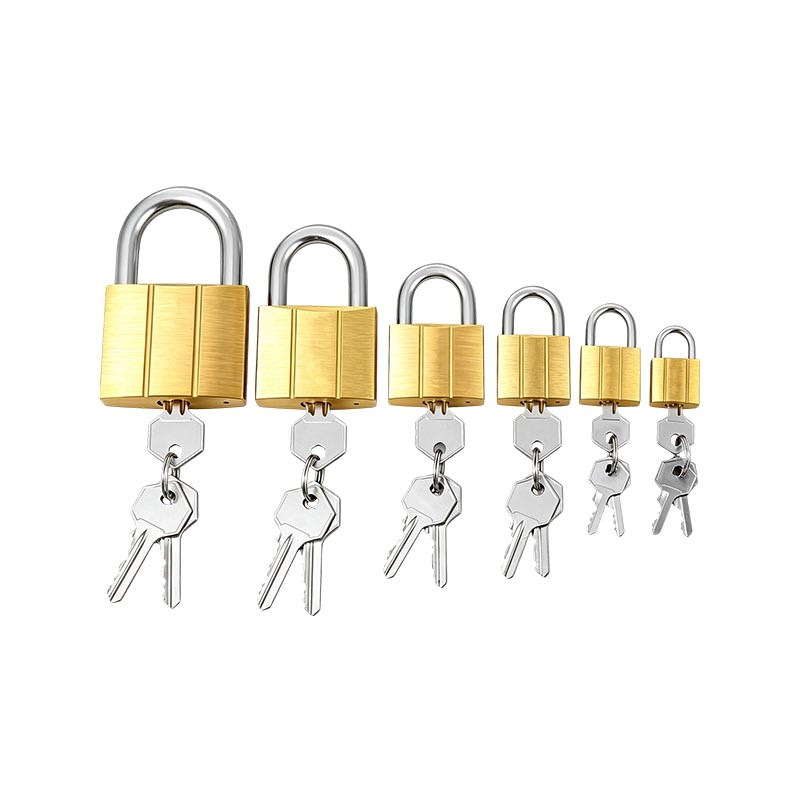
Duty level describes how much body mass and shackle strength a lock offers. The three main groups in the brass padlock range differ in profile, use and typical models.
| Feature | Thin | Medium Duty | Heavy Duty |
|---|---|---|---|
| Body profile | Thin and flat | Medium thick body | Thick, solid body |
| Best for | Narrow locking gaps | Doors, cabinets, toolboxes | Warehouses, gates, fire access |
| Shackle options | Standard | Standard | Standard, long, shrouded |
| Example models | STATES Thin Brass Padlock | Medium Duty Brass Padlock | FOXLUX Heavy Duty Brass Padlock, Double Slot Brass Padlock |
| Main advantage | Fits where thick locks cannot | Balanced security and handling | Highest resistance to force |
A Wholesale Heavy Duty Brass Padlock Supplier should be able to show that the body is solid brass rather than a plated shell, that the shackle carries a hardened marking, and that the cylinder is a ball pin tumbler design. Ask for a sample and test it: hang the lock on a hasp, cycle the key fifty times, and check that the shackle springs open cleanly. Consistent results across a sample batch matter more than one perfect piece.
A Medium Duty Brass Padlock Manufacturer serves the widest range of customers because the lock balances security with easy handling. The Medium Duty Brass Padlock in this range uses a pure brass body and a precision lock cylinder for smooth unlocking. For retailers building a good, better, best assortment, medium duty is usually the core of the middle tier.
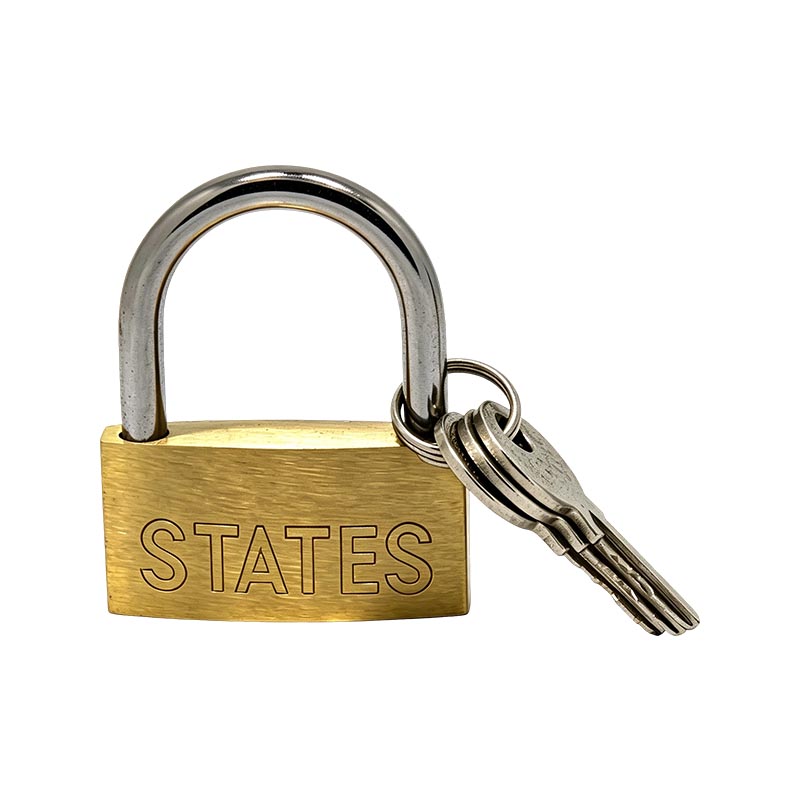
A Wholesale Thin Brass Padlock Supplier fills a specific gap. The thin, flat body of the STATES Thin Brass Padlock fits into narrow locking gaps where ordinary thick padlocks cannot be installed, while still using pure brass for rust and corrosion resistance. Typical uses include sliding cabinet doors, shutter tracks, meter boxes and thin hasps.
Browse pure brass padlocks from the Zhejiang Rongtao range, from thin body and medium duty models to heavy duty and fire safety designs. Each one has a rust resistant brass body and a hardened shackle, and supports custom logos and keys.
Scroll sideways to view all 10 models.
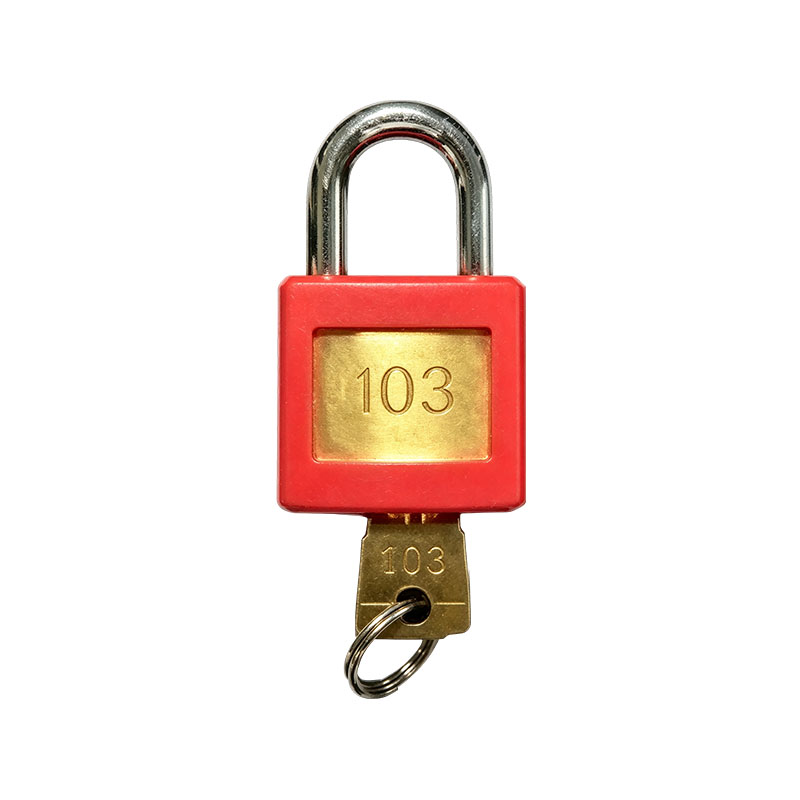
Brass is not the only padlock material, and it is not always the right one. The table gives a practical comparison of general material behavior. The wider Rongtao catalog also includes iron padlocks, aluminum padlocks and stainless steel padlocks, so a buyer can compare materials within one supply relationship.
| Property | Brass | Iron | Aluminum | Stainless Steel |
|---|---|---|---|---|
| Rust behavior | Does not rust, develops a mild patina | Needs plating or coating | Does not rust | Highly resistant |
| Weight feel | Solid and heavy | Heavy | Light | Heavy |
| Smooth key action | Excellent, brass machines cleanly | Good | Good | Good |
| Best environment | Humid, outdoor, mild coastal | Dry indoor | Light duty, weight sensitive | Harsh marine and chemical |
Brass padlock bodies are commonly made from a copper and zinc alloy, often in the range of 57 to 62 percent copper. That composition machines well, which supports tight cylinder tolerances and smooth key action. It also holds a clean appearance for years, which matters for retail packaging and visible installations.
Scenario thinking helps buyers avoid over specifying or under specifying. The five cases below account for most inquiries.
Warehouse and storage room
A 50mm heavy duty brass padlock with a hardened shackle handles daily use and resists sawing and prying.
Toolbox and cabinet
A 30mm or 40mm medium duty model keeps handling easy while blocking casual opening.
Narrow hasp or sliding door
A thin brass padlock fits gaps that reject thick locks, and it stays rust resistant indoors and outdoors.
Fire and emergency access
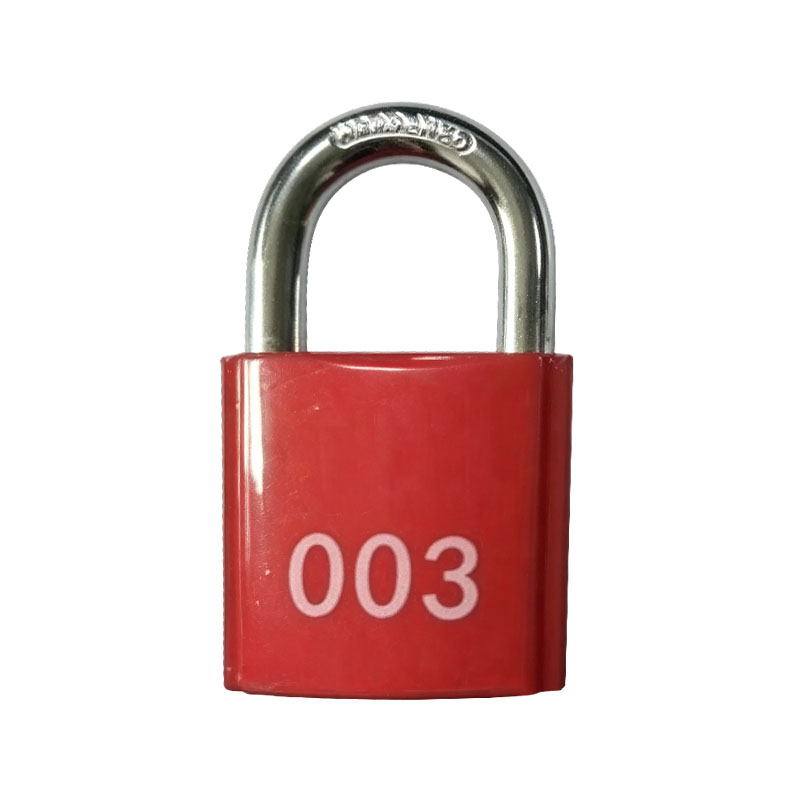
Red coated or red silicone sleeve models give high visibility on job sites, and the certified No.003 design suits fire service use.
Outdoor gates and yards
A 60mm or 70mm shrouded shackle model protects the steel from cutters while brass resists weather.
Fire safety detail
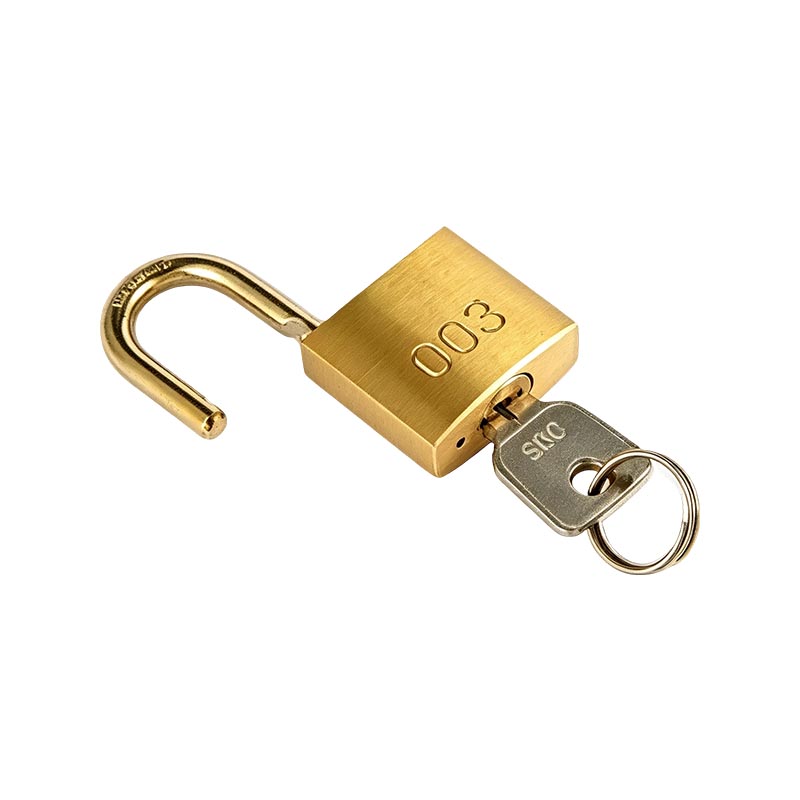
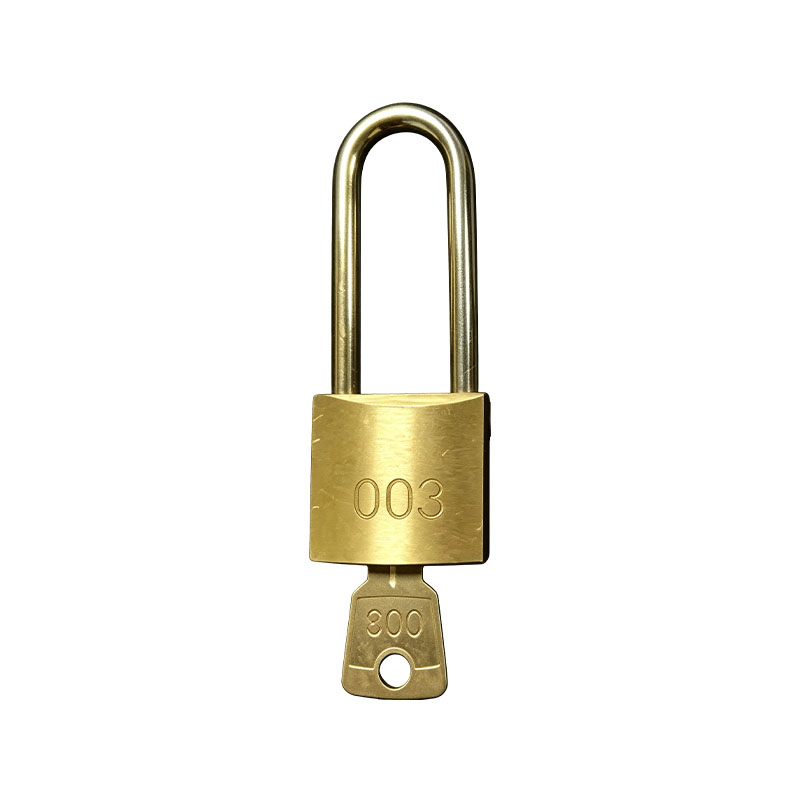
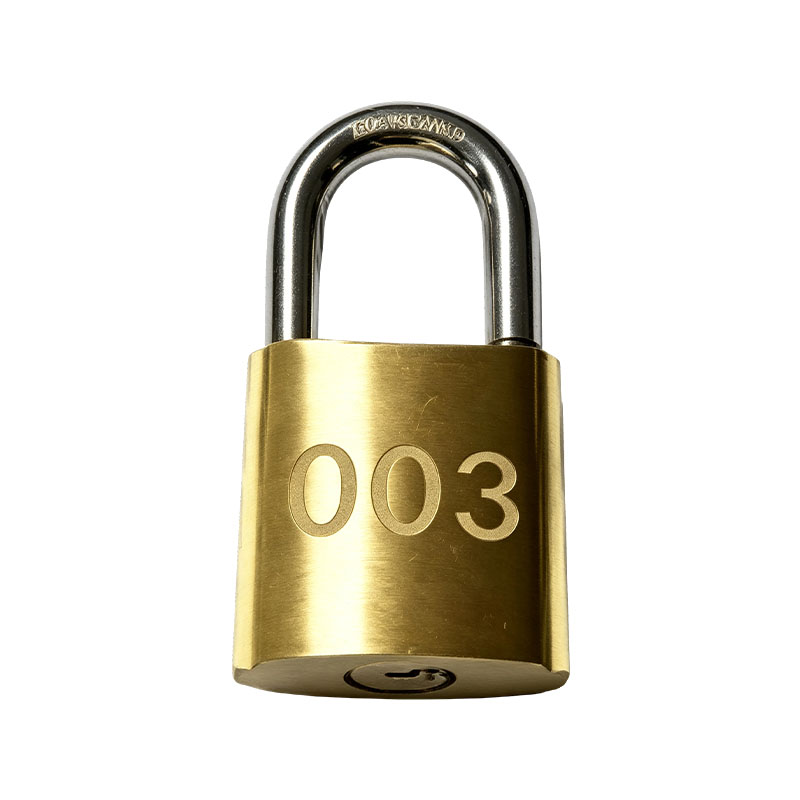
The 003 Fire Brass Padlock uses a solid pure brass body that is high temperature resistant and less likely to melt, lock up or jam in a fire environment. The Red Silicone Sleeve Brass Fire Padlock adds a silicone cover that protects the body against scratches and impact, and the shackle is marked HARDENED for quick identification.
Private label programs succeed when the factory controls materials, tooling and finishing under one roof. An OEM/ODM Brass Padlock Factory should be able to take a logo, a key profile and a packaging brief and return a consistent product across repeated orders. Zhejiang Rongtao runs its production from an 18,000 square meter site in Yiwu, and it set up Yiwu Rongtao Renewable Resources Co., Ltd. to keep strict control over the raw materials used in padlock production.
30+
Years of industry experience
18,000
Square meters of factory area
100
Employees
20+
Export countries
A Custom Brass Padlock Manufacturer normally offers changes in five areas. The list below reflects options seen across the current range.
An OEM/ODM Heavy Duty Brass Padlock Factory has to hold tighter tolerances than a light duty line, because the shackle, the locking balls and the body wall all carry higher loads. Ask how the shackle is hardened, how the cylinder is tested, and whether the products are made to a recognized standard. The company has thirty years of experience with EN 12320 certified padlocks, and the No.003 fire safety model is AS4428.17 certified.
An OEM/ODM Thin Brass Padlock Factory faces the opposite challenge. With less body volume, the cylinder must be compact and precise, and the shackle seat must still give a firm lock. Request test results for repeated open and close cycles, and confirm that the flat profile does not weaken the areas around the keyway.
Sourcing checklist
Confirm the raw material source, request an approved sample, test twenty pieces from the sample lot, agree on key codes in writing, and inspect packaging artwork before mass production. These five steps prevent most delivery disputes.
Start with the environment, then choose the size, then the duty level, then the keying. A 40mm or 50mm heavy duty brass padlock suits most general security needs, a thin body solves narrow gap problems, and a medium duty model gives balanced everyday handling. For private label programs, work with a supplier that can show raw material control, hardened shackles and repeatable cylinder quality.
To compare specifications or request samples, visit the Brass Padlock category, browse Heavy Duty Brass Padlock and Thin Brass Padlock ranges, or contact the sales team with your size, quantity and customization needs.
Hot Recommended Products
Through continuous innovation, we build a high‑end R&D team, form a diversified cluster of lock and hardware products, and accelerate the high‑quality industrial development of safety hardware locks.

With thirty years of experience manufacturing EN 12320 certified padlocks, we maintain strict control over raw materials and quality.
Contact Information
+86-579-85665313
+86-579-85665685
market@chinajiuzhou.com
Tony Xu
E-mail:sales2@chinajiuzhou.com
Add
No. 11 Wuhan Road, Shangxi Town, Yiwu City, Zhejiang Province, China 322006
Quick Links
[Mobile]
Keep In Touch

 English
 Français
 Español
 Deutsch
 عربى
عربى
 italiano